Pork Belly Recipes: Chinese Favorites to Make at Home
Pork belly is prized for the way its layers of meat and fat become tender during slow cooking. In Chinese cooking, it appears in glossy red-braised dishes, comforting noodle soups, and preparations that balance its richness with aromatics, soy sauce, vinegar, greens, pickles, or chile. This guide explains what to look for, why slow cooking works, and how to choose a pork belly recipe that suits the meal you want.
What is pork belly?
Pork belly is a boneless cut from the underside of the pig, recognizable by its alternating layers of meat and fat. It is the cut used for bacon before curing, but fresh pork belly is a different ingredient: it is usually braised, roasted, steamed, or simmered until the fat softens and the meat becomes supple. A good piece has fairly even layers, without one thick, hard band of fat or a very thin layer of meat.
Why braising suits pork belly
Slow, moist cooking gives connective tissue time to soften and lets the fat render gradually into the sauce. That is why pork belly becomes spoon-tender in a braise but can feel chewy if it is rushed. Aromatics such as ginger, scallion, garlic, star anise, and dried chiles build depth, while soy sauce, sugar, wine, and vinegar can create a savory-sweet balance. The exact seasoning changes from dish to dish; the patient cooking method is the common thread.
Choosing a recipe by mood and occasion
Choose red-braised pork when you want a rich centerpiece with a glossy, savory-sweet sauce. Choose Dong Po Rou when you want a slower, more luxurious braise with large, tender pieces. Choose pork belly noodle soup when you want the pork to become part of a complete, comforting bowl. These are related dishes, but they are not interchangeable; each uses the same cut to create a different experience at the table.
Chinese pork belly dishes to try
Our Hong Shao Rou is a classic red-braised direction for pork belly. Dong Po Rou offers another deeply braised style. For a one-bowl meal, try Braised Pork Belly Noodle Soup. Each is a useful way to understand how texture, sauce, and serving format change the same ingredient.
How to balance a rich dish
Pork belly is at its best with contrast. Serve it with plain steamed rice, lightly cooked greens, pickled vegetables, or a clean soup. A bright, acidic side keeps a meal from feeling heavy, while rice or noodles give the sauce somewhere to go. When planning a menu, let the pork be the richest element and keep the other dishes simpler.
Make-ahead, storage, and reheating
Braised pork belly often tastes even better after resting, because the sauce has time to settle into the meat. Cool leftovers promptly, refrigerate them in their braising liquid, and reheat gently until hot throughout. Chilling also makes it easier to remove excess surface fat if you prefer a lighter sauce. Avoid hard boiling during reheating; gentle heat protects the tender texture you worked to create.
Common questions
Is pork belly the same as bacon? Fresh pork belly is the uncured cut; bacon is typically cured and smoked or otherwise processed. Can I use a leaner cut? You can, but the texture and sauce will be different because pork belly’s fat is part of the dish. Why is my pork belly tough? It usually needs more gentle cooking time, or it has been cooked at a rolling boil rather than a quiet braise.
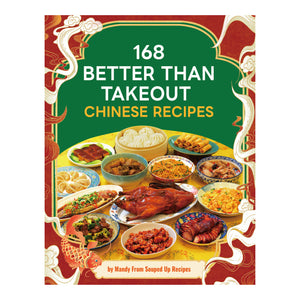
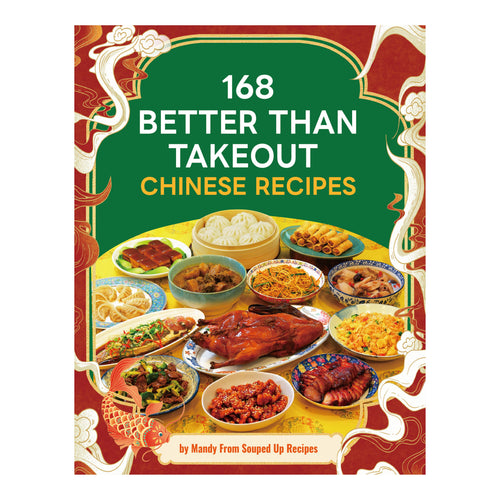
168 Better Than Takeout Chinese Recipes
168 tested recipes, each with a demo video and step-by-step photos.
Reader favorites