Mooncakes: A Guide to Chinese Mid-Autumn Festival Pastries
Mooncakes are closely associated with the Mid-Autumn Festival, a time for gathering with family and friends, looking at the full moon, and sharing seasonal food. They are rich pastries rather than everyday snacks, which is why a small wedge with tea can be more satisfying than a large serving. This guide explains the festival connection, the major mooncake styles, and how to choose what to try first.
Why mooncakes matter during Mid-Autumn Festival
Mid-Autumn Festival falls on the fifteenth day of the eighth lunar month, when the moon is traditionally seen as especially full and bright. The round shape of mooncakes is widely associated with reunion and togetherness. Customs differ by region and family, but sharing mooncakes, moon-viewing, lanterns, and tea are common parts of the celebration. The point is not simply to eat a pastry; it is to mark a seasonal moment with people you care about.
What is inside a mooncake?
In many classic Cantonese-style mooncakes, a thin baked pastry encloses a dense sweet filling such as lotus seed paste, red bean paste, or mixed nuts. A salted egg yolk may sit at the center, offering a savory contrast to the sweetness. Other regional styles use different crusts and fillings, including flaky pastry, meat, nuts, or local ingredients. The filling is often the main source of flavor, while the patterned exterior gives the mooncake its distinctive look.
Common mooncake styles
Cantonese mooncakes are baked and usually have a glossy, golden-brown crust with an embossed pattern. Snowy mooncakes are chilled and have a soft, pale exterior, with a fresher, more delicate texture. Custard or lava mooncakes are a more modern style, valued for their creamy center. Suzhou-style and other regional mooncakes can be flakier and more savory. There is no single definitive mooncake; the variety is part of the appeal.
How to choose a mooncake for the first time
Choose a traditional baked mooncake if you want the classic Mid-Autumn experience. Choose a snowy or custard mooncake if you prefer a lighter-feeling, chilled dessert. Read the filling description before buying or baking: lotus seed paste is smooth and mellow, red bean paste is earthier, mixed-nut fillings add crunch, and salted egg yolk brings a savory note. If you are serving a group, a mixed box lets everyone compare styles without committing to one flavor.
Serving, storing, and sharing mooncakes
Mooncakes are designed to share. Cut them into small wedges, then serve with unsweetened or lightly fragrant tea to balance their richness. Store baked mooncakes in a cool, dry place according to the package or recipe instructions. Keep chilled snowy mooncakes refrigerated and serve them cold. Because fillings and storage needs vary, follow the specific recipe or package guidance rather than treating every style the same.
Recipes to explore
For a traditional starting point, see our Classic Cantonese Mooncakes. As you explore, compare the pastry, filling, and serving temperature rather than expecting every style to taste alike. That contrast is exactly what makes mooncakes such a rewarding festival food to learn about.
Common questions
Are mooncakes always sweet? No—many are sweet, but regional and modern styles can be savory or less sweet. Why are they round? The shape is closely connected with the full moon and the idea of reunion. When should I serve them? They are most associated with Mid-Autumn Festival, but a good mooncake can be enjoyed whenever you want to share one with tea.
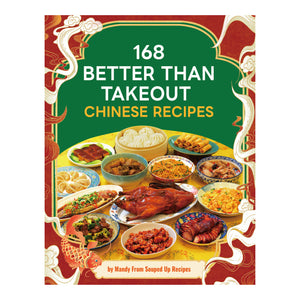
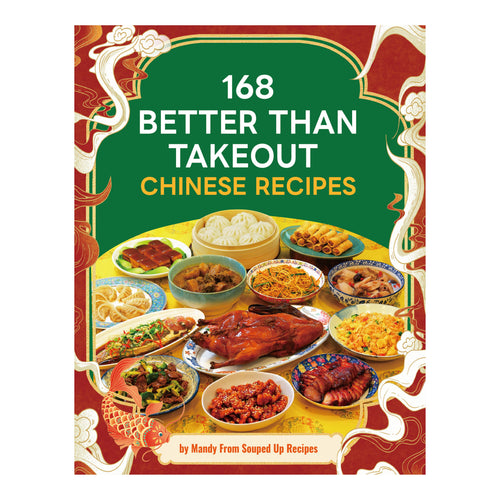
168 Better Than Takeout Chinese Recipes
168 tested recipes, each with a demo video and step-by-step photos.
Reader favorites