Better Than Takeout – Authentic Sichuan Twice-Cooked Beef Recipe
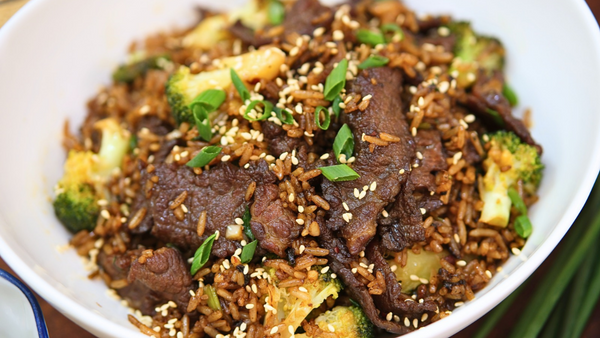
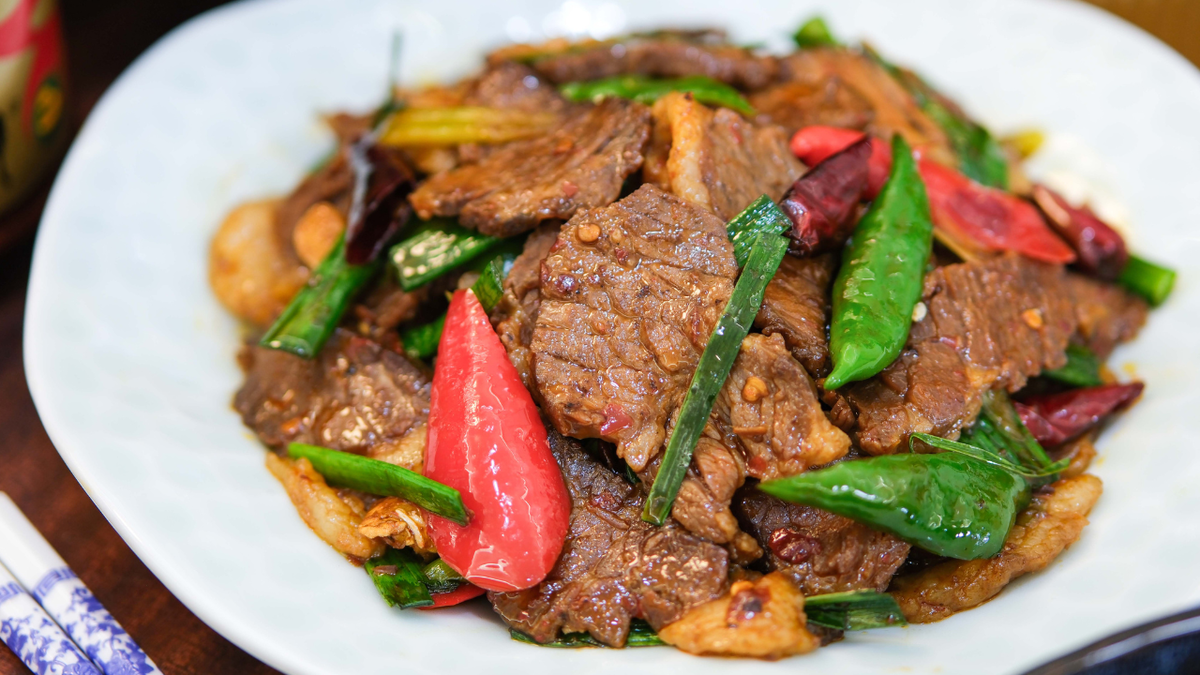
This Twice-Cooked Beef (回锅牛肉) is simple and deeply flavorful. The beef is tender with a satisfying bite, coated in a savory, slightly spicy sauce with that signature Sichuan taste. My family absolutely loves this so much that the moment it hits the table, it’s gone.
The idea behind this dish goes back to ancient Chinese traditions. Families would simmer large cuts of meat as offerings during ancestral rituals and festivals. After the ceremony, nothing was wasted—the meat was cooked again and transformed into everyday meals. Over time, that practical habit evolved into what we now call “twice-cooked” dishes.
What’s really interesting is that while many people know that twice-cooked pork or beef means the meat is cooked tweic, very few know that after the meat is pre-cooked, it can be easily made in various dishes other than twice-cooked beef, such as stir fried noodles, salads, or sandwich the meat into steamed-buns, and even the braising broth can be turned into hearty soups. Think of it as meal-prepping wisdom from our ancestors. If you’re interested, follow me on my Patreon, and read my full, detailed post about it there.
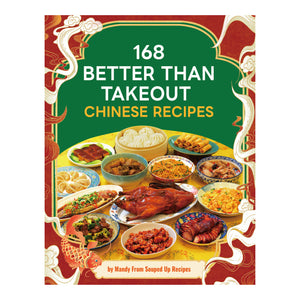
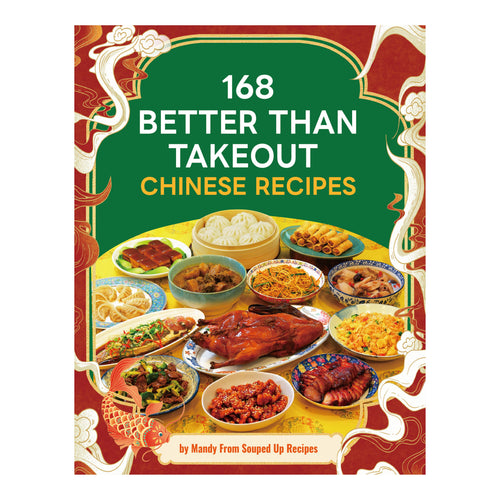
168 Better Than Takeout Chinese Recipes
168 tested recipes, each with a demo video and step-by-step photos.
Better Than Takeout – Authentic Sichuan Twice-Cooked Beef Recipe
Mandy Fu
3
20 minutes
1.5 hours
This Twice-Cooked Beef (回锅牛肉) is simple and deeply flavorful. The beef is tender with a satisfying bite, coated in a savory, slightly spicy sauce with that signature Sichuan taste. My family absolutely loves this so much that the moment it hits the table, it’s gone.
The idea behind this dish goes back to ancient Chinese traditions. Families would simmer large cuts of meat as offerings during ancestral rituals and festivals. After the ceremony, nothing was wasted—the meat was cooked again and transformed into everyday meals. Over time, that practical habit evolved into what we now call “twice-cooked” dishes.
What’s really interesting is that while many people know that twice-cooked pork or beef means the meat is cooked tweic, very few know that after the meat is pre-cooked, it can be easily made in various dishes other than twice-cooked beef, such as stir fried noodles, salads, or sandwich the meat into steamed-buns, and even the braising broth can be turned into hearty soups. Think of it as meal-prepping wisdom from our ancestors. If you’re interested, follow me on my Patreon, and read my full, detailed post about it there.
Ingredients
For cooking the beef the first time
- 500g / 1.1 pound of beef brisket or other stew meat
- 2 liters / 8⅓ cups water
- 30-45g / about 2-3 inch of ginger, crushed
- 45g / about 3 scallions
- 3g / 1½ Tbsps whole Sichuan peppercorn
- 1.6g / 2 star anise
- 1.5g / 3 dried red chilies
- 5.7g / 1 tsp of salt
For cooking the beef the second time
- 2-3 Tbsp of cooking oil
- 100g / about 4 garlic shoots, diced into 1.5-inch stalks, and separate the green and white parts
- 15g / about 5 cloves garlic, diced
- 15g / 1 inch of ginger, smashed and diced
- 4g / 8 dried red chilies, cut into short pieces and seeded
- 16g / 1 Tbsp Sichuan dou ban jiang
- 18g / 1 Tbsp oyster sauce
- 16.6g / 1 Tbsp soy sauce
- 30-45g / 2-3 Tbsps water
- 30g / about 1 small green chili pepper
- 30g / about 1 small red chili pepper
Directions
To cook the beef the first time
Cut the beef into large chunks and place in a stockpot with 2 liters (8⅓ cups) of water. Bring to a boil over medium heat, uncovered.
Once boiling, skim off any scum using a fine sieve. This step removes impurities and helps produce a cleaner-tasting, clearer broth.
Add 2-3 inches of crushed ginger, 3 scallions, 2 star anise, 3 dried red chilies, 1½ Tbsp whole Sichuan peppercorn, and 1 tsp of salt.
Reduce the heat to low and simmer gently for 1 to 1½ hours, or until the beef is tender enough to be pierced easily with chopsticks but still firm and not falling apart.
Store the cooked beef in the fridge for 4-5 days or 4 months in the freezer. Slice the beef thinly before using.
To cook the beef the second time
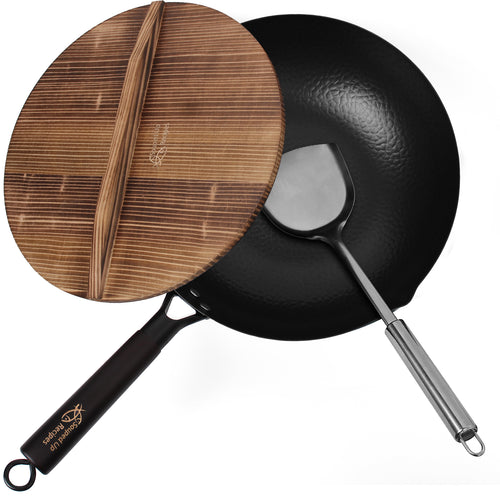
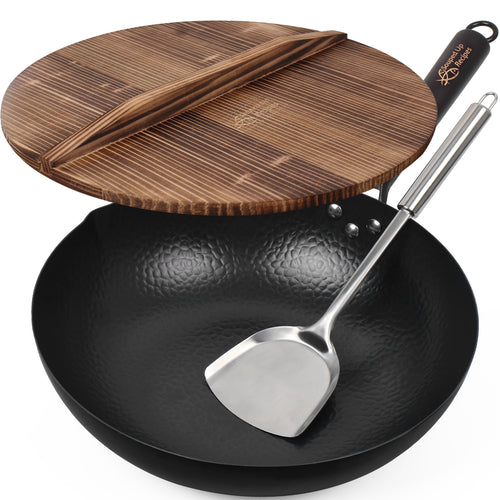
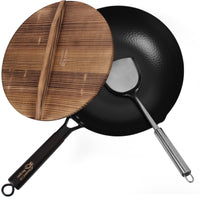
Turn the heat to high and heat the wok until it is smoking hot. Add a generous amount of oil and swirl it around to create a non-stick layer.
Add the dried red chilies, diced garlic, ginger, and the white parts of the garlic shoots. Stir-fry for about 1 minute until fragrant.
Reduce the heat to medium-low. Add Sichuan doubanjiang, oyster sauce, and soy sauce. Stir continuously until the doubanjiang releases its aroma and red oil.
Add the cooked beef along with 2–3 tablespoons of water (or the beef braising liquid). Toss to combine and heat through, about 2–3 minutes.
Add the green and red chilies and the green parts of the garlic shoots. Toss briefly to combine, then remove from heat and serve.
Reader favorites