Bok Choy Recipes: Easy Chinese Dishes to Try
Bok choy is one of the most useful greens for a quick Chinese-style meal. Its thick stems stay juicy and crisp, while its leaves become tender in minutes. Once you know how to wash it, separate the stems from the leaves, and choose the right heat, bok choy works in stir-fries, soups, noodle bowls, and simple vegetable side dishes.
What is bok choy?
Bok choy is a type of Chinese cabbage, also called pak choi. It grows as an upright cluster of dark leaves with pale green or white stalks. It is different from napa cabbage: napa forms a long, dense head with thinner leaves, while bok choy has distinct, crisp stems. Baby bok choy is simply a smaller, more compact form; its mild flavor and neat size make it especially good when halved or cooked whole.
How to choose and store bok choy
Look for firm stalks, fresh-looking leaves, and no slimy patches. The stems should feel juicy rather than dry or fibrous. Refrigerate bok choy unwashed in a loose bag and use it promptly; it is at its best when the leaves are still perky. If the outside leaves look tired but the center is firm, trim only the damaged leaves and use the rest soon.
How to wash bok choy properly
Grit often hides where the stalks meet at the base. For large heads, cut off the root end and separate the stalks before rinsing. For baby bok choy, halve each head lengthwise, then swish it in a bowl of cold water and inspect the inner layers. Dry it well before stir-frying: excess water cools the pan and makes the vegetable steam instead of sear.
How to cook bok choy without making it watery
In a stir-fry, add the thicker stems first and let them meet the hottest part of the pan. Add the leaves a little later, when the stems are nearly tender. This gives you crisp stalks and soft leaves in the same dish. Garlic, ginger, mushrooms, fermented black beans, light soy sauce, and a small amount of stock are all natural partners. For soup, add bok choy near the end so it stays bright and fresh-tasting.
Baby bok choy and mature bok choy: when to use each
Baby bok choy is ideal when you want a tidy presentation or a quick side dish. Mature bok choy has larger stems and can stand up to a more substantial sauce, sliced meat, tofu, or noodles. Neither is universally better; the choice depends on whether you want delicate whole heads or bolder pieces with more crunch.
Easy bok choy ideas to try next
Start with Bok Choy with Mushrooms for a simple savory stir-fry. Once you are comfortable with the timing, use the same stem-first approach with beef, tofu, or a light broth. Bok choy also works well beside richer dishes because its clean flavor and gentle bitterness refresh the plate.
Common questions
Do you eat the stems? Yes—the stalks are one of bok choy’s best features. Can you substitute it for napa cabbage? Sometimes, but bok choy has thicker, juicier stems and usually cooks more quickly. Why did it turn soggy? The pan may not have been hot enough, it may have been crowded, or it may have been added before excess rinse water had dried off.
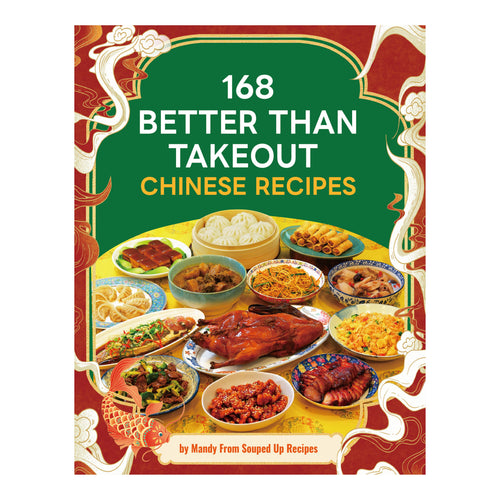
168 Better Than Takeout Chinese Recipes
168 tested recipes, each with a demo video and step-by-step photos.
Reader favorites