Cantonese Shrimp Siu Mai
Shrimp Siu Mai is one of the must-have dim sum items whenever you go to a tea house restaurant. I will show you how to make it from scratch and give you some shortcuts if you don’t want to put in so much labor.
Ingredients for The Siu Mai Filling (Make 20 Siu Mai)
- 4.5 ounces [127 grams] of skinless pork belly
- 14 ounces [400 grams] of peeled and deviened shrimp
- 3 pieces of shiitake mushroom, soaked and diced
- 1 whole egg
- 1/4 cup of diced scallions
- 2.5 tsp of soy sauce
- 2.5 tsp of oyster sauce
- 1.5 tbsp of cornstarch
- 1/2 tsp of sugar
- 1.5 tbsp of grated garlic
- 1.5 tsp of grated ginger
- 1/2 tsp of salt
- 2 tsp of sesame oil
Ingredients for The Wrapper (Makes 20 wrappers)
- 4.5 oz (127 g) of all purpose flour
- 1/8 tsp of salt
- 2 oz (57g) of water
- 1/2 tsp of turmeric Powder
Ingredients For The Dipping Sauce
- 1 tbsp of julienned ginger
- 1.5 tbsp of Chinese black vinegar
- 2 tsp of soy sauce
Others
- Minced carrot for garnish, optional
Make The Filling
Siu Mai is like a half-opened dumpling, which consists of the filling and the wrapper. We are going to make the filling first.
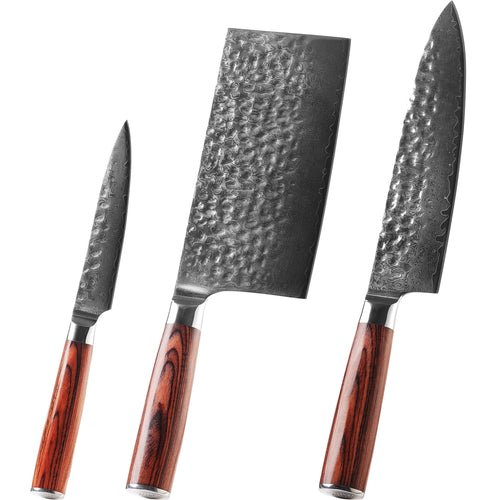
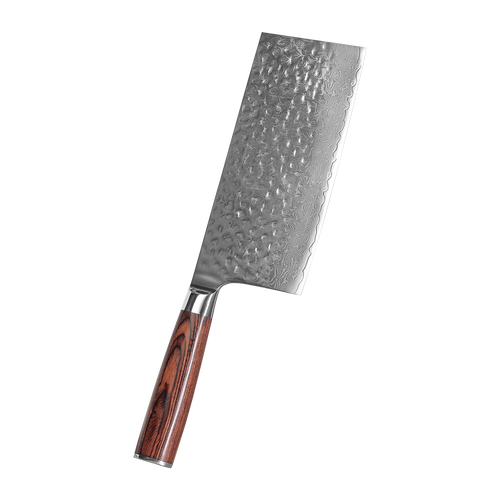
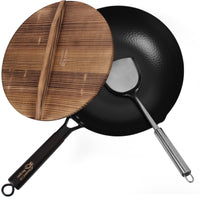
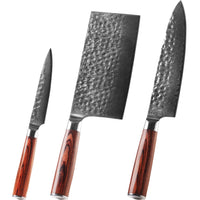
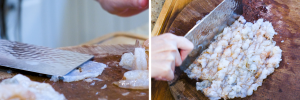
You will need 14 ounces of peeled and deveined shrimp. Reserve half of it on the side. We will use it as decoration. Get a heavy duty cleaver to smash the rest of the shrimp one by one. Shrimp is very delicate so this won’t take too long. If you don’t have a cleaver, please use a meat tenderizer.
Once all the shrimp is smashed, run your knife over for 30 seconds to bind everything into a paste. Don't chop it too fine because you still want a little bit rough texture.
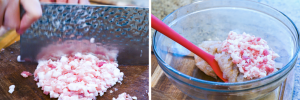
Although this is a shrimp siu mai, you will need some pork to balance the texture and the flavor. I am using some ground skinless pork belly because shrimp is very lean. Just dice the pork belly with a heavy-duty cleaver. You could use lean ground pork if you want, but the fat makes the filling juice. Also, if you don’t eat pork, you can use all shrimp. It may be less juice, but still delicious.
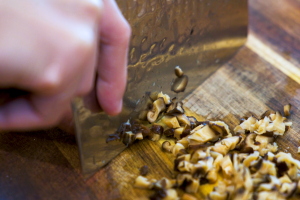
I have here 3 pieces of shiitake mushroom; they were dry. I soaked them in water 2 hours ahead. Now they are fully rehydrated. Squeeze the water out and dice finely. We are not going to use the soaking liquid for this recipe, but you can save it for other meals. If you can not find dried shiitake mushrooms, you can use fresh mushroom or replace it with carrot, water chestnut, and corns.
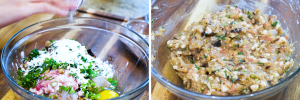
Everything goes into a big mixing bowl. Add 1 whole egg, 1/4 cup of diced scallions, and 1.5 tbsp of cornstarch. Then season it with 2.5 tsp of soy sauce, 2.5 tsp of oyster sauce, 1/2 tsp of salt, 1/2 tsp of sugar. It will not make the filling taste sweet but it helps to bring out the umami taste of the shrimp. 1.5 tbsp of diced garlic, 1.5 tsp of diced ginger, and 2 tsp of sesame oil. Mix the filling in one direction until the paste becomes gluey and sticky. Set the filling in the fridge to firm up a little.
Make the Wrapper
Now, I am going to show you how to make the siu mai wrapper from scratch. If you don’t have the time and patience, feel free to use wonton wrapper as a shortcut because they are similar. Just the shape and the color are different. You can use a cookie cutter g to cut the square wonton wrapper into cycles. Oh, do not use dumpling wrapper because it is too thick.
Add 1/2 tsp of turmeric and 1/2 tsp of salt to the water and stir well. Pour the solution into the all-purpose flour slowly and mix until a rough dough forms. Cantonese siu mai wrapper has a yellow color, which comes from turmeric or food coloring. Some people use egg yolk only to form the yellow dough, but then you will end up with extra egg white, so I just use turmeric today.
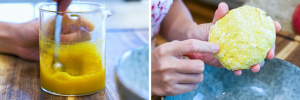
I didn’t put that much effort into kneading the dough until smooth because I have arthritis, and I am going to use a pasta maker to roll out the sheet. If you want to do it by hand, you have to continue to knead the dough for 6-8 minutes until nice and smooth, then roll it with a rolling pin. You can check this video for the demon.
Start with the thickest setting and feed the dough through the machine. The first time, it will come out rough. Fold it and feed it through again. Repeat that 6-8 times. The sheet should come out smooth. That looks beautiful.
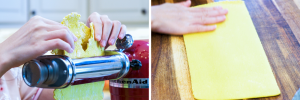
Now, gradually lower the thickness and continue to roll the sheet thinner. For the Siu Mai wrapper, I will use the thinnest setting as the final thickness, which is the level 8 on this Kitchenaid attachment.
Use a round cookie cutter to cut out the wrapper. The diameter should be 3.5 inches. You can go a little big bigger or a little bit smaller. Doesn’t matter. You can recombine the scraps and feed it through the machine to make more. Dust the wrapper with some cornstarch to prevent sticking.
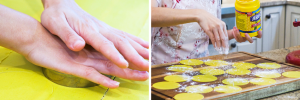
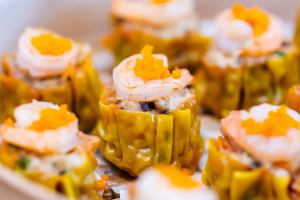
Now, let’s wrap the siu mai. It doesn't require any special skills. Just put some filling in the middle of the wrapper and flatten it. I use about 1.5 tablespoons. Push the edge of the wrapper up, then lightly squeeze it around to make a small cylinder. Pack the filling down by using your spoon. Remember those whole shrimps that we reserved? Take one and put it on the top. That makes a really nice presentation. Oh, by the way, I like to use small-size shrimp. If your shrimp is big, you may want to split it in half, so you have enough amount to put on the top of siu mai.
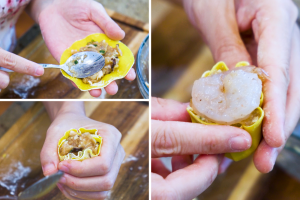
Place all the shumai in the steamer and put parchment paper under to prevent sticking. Decorate them with a tiny bit of minced carrot. High-end restaurants will use delicate fish roe as garnish, which is really fancy. I couldn’t find any so I am using minced carrot today. It looks pretty nice too.
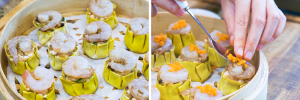
Bring a pot of water to a boil. Put the steamer above it and steam over high heat for 6 to 8 minutes.
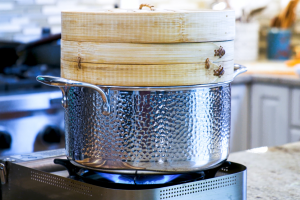
While waiting, you should have just enough time to make a dipping sauce. Comebine 1 tbsp of julienned ginger, 1.5 tbsp of Chinese black vinegar, and 2 tsp of soy sauce. This dipping sauce is non-spicy, but it is classic for all kinds of steamed dim sum. If you want a spicy dipping sauce, you can check this video.

168 Better Than Takeout Chinese Recipes
168 tested recipes, each with a demo video and step-by-step photos.
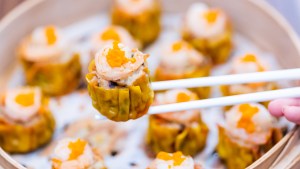
Cantonese Shrimp Siu Mai (Learn to make the Most Popular Dim Sum)
Souped Up Recipes
4
45 minutes
15 minutes
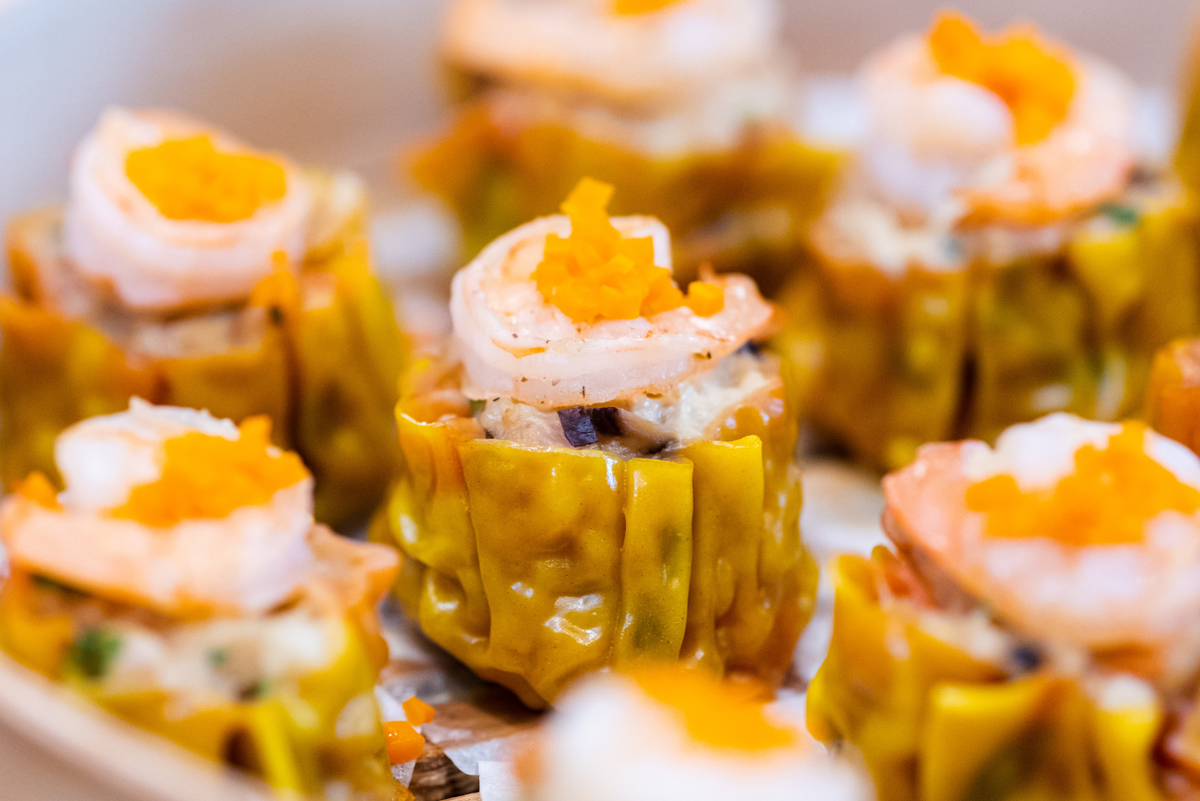
Shrimp Siu Mai is one of the must-order dim sum items whenever you go to a tea house restaurant. I will show you how to make it from scratch and give you some shortcuts if you don't want to put in so much labor.
Ingredients
Make the Siu Mai Filling
- 14 ounces [400 grams] of peeled and deveined shrimp (Medium 41/50 per pound)
- 4.5 ounces [127 grams] of ground pork, 25% fat
- 3 pieces of shiitake mushroom, soaked and diced
- 1 whole egg
- 1/4 cup of diced scallions
- 1.5 tbsp of cornstarch
- 2.5 tsp of soy sauce
- 2.5 tsp of oyster sauce
- 1/2 tsp of sugar
- 1.5 tbsp of minced garlic
- 1.5 tsp of minced ginger
- 1/2 tsp of salt
- 2 tsp of sesame oil
Make the Siu Mai Wrapper
- 4.5 oz (127 g) of all-purpose flour
- ¼ tsp of salt
- 2 oz (57g) of water
- 1/2 tsp of turmeric Powder
- cornstarch as needed
Others
- Minced carrot for garnish, optional
Make the Dipping Sauce
- 1 tbsp of julienned ginger
- 1.5 tbsp of Chinese black vinegar
- 2 tsp of soy sauce
Directions
Make the Filling
- Season the shrimp with 1/2 tsp of salt and some white pepper to taste.
- Reserve half of the shrimp and keep them whole for presentation. Use a cleaver to smash the other half of the shrimp one by one, then roughly grind them into a paste. Shrimp is delicate, so this won't take too long. If you don't have a cleaver, please use a meat tenderizer.
- Soak the dried shitake mushrooms in water 2 hours in advance. Squeeze to eliminate the water, then dice the mushrooms finely. If you can not find dried shiitake mushrooms, replace them with fresh mushrooms, diced carrots, or water chestnuts.
- Combine the shrimp, pork, mushroom, egg, scallions, and cornstarch in a big mixing bowl. Although this is a shrimp siu mai, mixing it with some pork will balance the texture and the flavor.
- Season the filling with soy sauce, oyster sauce, sugar, minced garlic, ginger, and sesame oil. Next, mix the filling within one direction until the paste becomes gluey and sticky, then chill it in the fridge while making the wrappers.
Make the Wrapper
- Add the turmeric powder and salt to the water and stir well, then pour the mixture into the all-purpose flour slowly and mix at the same time until the water is well absorbed. A classic Cantonese siu mai wrapper has a yellow color, which comes from turmeric or food coloring. Some recipes use egg yolk, but then you will end up with extra egg white, so I recommend using turmeric.
- Gather the flour and knead it for a few minutes until a rough dough forms.
- Set the paster roller at the thickness setting, feed the dough through, and a rough sheet will come out. Fold the sheet and feed it through the roller again. Repeat this process 6-8 times or until the sheet becomes smooth.
- Gradually lower the thickness and feed the sheet through until it becomes 1 mm thick.
- Use a 3.5-inch round cookie cutter to cut the wrapper into circles. Then, recombine the scraps and feed them through the pasta roller to make more wrappers. If you don't have a paster roller, feel free to cut the store-bought wonton wrappers into circles and use them as a replacement.
- Dust the wrappers with cornstarch to prevent sticking, and set them aside.
Wrap the Siu Mai and Steam
- Put 1.5 tbsp of filling in the middle of the wrapper and pack it tight. Push up the edges, then use your forefinger and thumb to surround the siu mai and make it into a cylinder.
- Place the siu mai in the steamer on top of parchment paper, then top it with a piece of whole shrimp and garnish it with minced carrots. Continue to wrap the rest. High-end dim sum restaurants usually will use delicate fish roes as garnish. Try it if you have access to purchase fish roes.
- Bring a pot of water to a boil and steam the siu mai over high heat for 6 to 8 minutes.
- Meanwhile, combine the julienned ginger, Chinese black vinegar, and soy sauce. This dipping sauce is non-spicy but is classic for all kinds of steamed dim sum.
Reader favorites