Mooncake Tools Guide: Molds, Stamps, Pans, and Liners
Mooncakes look intricate, but a home-baking setup can remain simple. The tools should help you portion, shape, and bake consistently, leaving your attention for the dough, filling, and timing in the recipe. A small, purposeful kit is better than a drawer full of one-use gadgets.
The mold is central, but it does not replace the recipe. Mooncake dough, filling moisture, dough-to-filling ratio, baking temperature, egg wash, and resting time all depend on the style of mooncake being made. Use this guide to choose and use the tools around that recipe—not to substitute a general method for a tested formula.
Mooncake tools at a glance
| Tool | What it solves | Essential for a first batch? |
|---|---|---|
| Spring-loaded mooncake mold | Even portion shape and patterned surface | Yes, for molded mooncakes |
| Kitchen scale | Keeps dough and filling within the mold’s capacity | Strongly recommended |
| Sheet pan and liner | Holds shaped cakes evenly for baking | Yes |
| Small pastry brush | Applies a controlled egg wash when the recipe calls for it | Usually useful |
| Wooden stamp | Adds a handmade decorative finish | Optional |
| Extra pattern discs | Varies the design without changing workflow | Optional but fun |
Quick answer: choose one mold size that matches the recipe, a reliable scale, and a flat lined pan. Begin with one dough, one filling, and one pattern. Consistency is more useful than a large collection of shapes.
Choose the right mold size before buying patterns
Mooncake molds are commonly described by the total weight they hold. That capacity includes both dough and filling. A 50-gram mold needs a formula portioned for 50 grams total; a 100-gram mold needs a much larger portion. A mismatch can leave the mold underfilled, distort the pattern, cause splitting, or make the cakes bake unevenly.
| Mold capacity | Best for | What to consider |
|---|---|---|
| 50 g | Small portions, a first home batch, tasting several fillings | Requires precise portioning but makes a shareable yield |
| 75–100 g | A more substantial individual cake | Needs a recipe designed for that capacity and enough pan space |
| Larger molds | Generous cakes, specialty fillings, experienced bakers | More dough and filling per cake; harder to improvise without a tested formula |
The recipe should tell you its intended mold size and dough-to-filling ratio. If it does not, choose a recipe that does. For reference, recipe writers commonly emphasize that the total dough and filling weight should align with the mold capacity; Epicurious’s mooncake notes offer a helpful explanation of matching mold capacity to the formula.
Our moon cake mould with 16 patterns is designed to keep the shaping system simple: use a mold capacity that matches the recipe, then swap pattern discs only after the portions release cleanly.
The scale is the quiet tool that makes mooncakes look professional
A small scale helps you divide dough and filling consistently. That matters because a mooncake mold is not only decorative. It works best when each portion fills the cavity predictably. If one piece has too much filling and another too much dough, the cakes may release differently, bake differently, and look uneven even if the pattern is the same.
Set up two small trays or plates: one for portioned filling and one for portioned dough. Cover portions that are waiting so they do not dry out. Work on one mooncake at a time—wrap, seal, shape, and place it on the lined pan—rather than making every filling ball first and discovering later that the dough has become difficult to handle.
For a first batch, choose one filling. Variety is appealing in a gift box, but it creates more variables: different moisture levels, different portion colors, and different storage needs. A controlled first batch teaches the mold and dough relationship; variety can come next.
How a spring-loaded mold should work
Fit the desired pattern disc into the mold according to the product instructions. Form the filled dough into a smooth, compact ball that suits the recipe. Place it in the mold, press firmly and evenly onto a lined baking sheet, then release it with the handle. The goal is a clean imprint and a mooncake that holds its shape without cracking at the edge.
Do not use excessive force. If a cake is hard to release, stop and diagnose the problem: the portion may not match the mold, the dough may be too sticky or too dry for the recipe, the mold may need the recipe’s specified dusting or preparation, or the press may be uneven. Test one cake before committing the whole batch.
Different recipes call for different anti-stick strategies. Some use a very light dusting; others rely on the dough’s formula and a clean, dry mold. Follow the recipe rather than adding flour automatically. Excess flour can blur the design or affect the finished surface.
Stamps: an optional handmade finish
Wooden stamps can create a more handmade look, but they require a little practice. Keep the stamp clean and dry, test the pressure on one sample, and use a firm even press. A hesitant or rocking movement can leave a blurred design.
Use a stamp when you want a specific traditional-looking pattern or a more tactile project. Do not use it simply because it is available. For many home bakers, the spring-loaded mold already gives a complete, polished result. A wooden stamp set for Chinese mooncakes is best treated as a creative second step rather than a requirement.
Choose a baking surface for repeatability
A flat, dependable sheet pan gives shaped mooncakes room to bake without bumping into each other. Line it as the recipe directs. Arrange the cakes with enough space for air circulation and visual separation. Do not crowd them in pursuit of one fewer batch; a pan that is too full makes it harder to apply egg wash carefully and to judge browning.
Let the pan cool between batches when the recipe calls for it. Placing shaped dough on an already-hot pan can affect its texture and release. Use the pan as a staging surface as well as a baking one: have it lined and ready before shaping the first mooncake so you are not carrying a soft patterned cake around the kitchen looking for a place to put it.
Egg wash deserves restraint. It can create a warm, polished surface, but too much can pool in the pattern and obscure the detail that the mold created. Use a small brush and the exact method in the recipe. A good mooncake recipe will tell you whether to bake in stages, cool briefly, or apply egg wash at a particular point.
A calm mooncake workflow
- Read the recipe through and confirm the mold capacity it expects.
- Prepare filling, dough, liner, scale, mold, and pan before shaping.
- Portion dough and filling by weight as the recipe directs.
- Wrap and seal one piece at a time, keeping unused dough covered.
- Test one molded cake for clean release and pattern definition.
- Shape the rest with the same pressure and portioning.
- Bake, egg-wash, and rest only according to the tested recipe.
- Clean and dry the mold before storage, paying attention to fine pattern grooves.
This order prevents the most common first-batch problem: discovering the dough, mold, or pan setup is wrong after every piece is already shaped.
Care for molds and stamps
Remove dough from pattern grooves gently with a soft brush or wooden pick where appropriate. Avoid soaking or scrubbing a wooden stamp unless its maker directs it; moisture and aggressive cleaning can affect wood. For a spring-loaded plastic mold, follow the product instructions on disassembly and washing. Dry every part fully before storing so patterns remain clean and the mechanism works smoothly.
Keep pattern discs together with the mold. A small labeled container prevents a surprisingly frustrating situation next Mid-Autumn Festival: having the barrel and handle but not the pattern you wanted to use.
Put the tools into practice
Use this setup with our Classic Cantonese Mooncake Recipe. Let the recipe determine the ingredient quantities, filling, and baking schedule. The tools make that tested method easier to repeat: an accurately sized mold, consistent portions, a lined sheet pan, and a controlled workflow.
Common questions
Can I use a 50-gram mold with a 100-gram recipe? Not without recalculating the formula and portions. Start with a recipe that matches your mold capacity.
Why is my pattern blurry? The dough may be too sticky, the mold may not have been prepared as the recipe requires, the portion may be wrong, or too much egg wash may have filled the detail.
Do I need a wooden stamp and a spring-loaded mold? No. A spring-loaded mold is enough for most first batches. Add stamps if you enjoy the decorative process.
Do molds work for snow-skin mooncakes too? Many do, but the dough, filling, and storage method are different. Use a recipe designed for snow-skin mooncakes and confirm it matches your mold.
Further reading
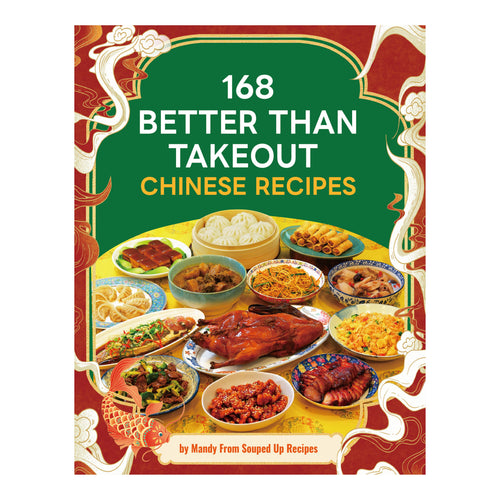
168 Better Than Takeout Chinese Recipes
168 tested recipes, each with a demo video and step-by-step photos.
Reader favorites