Pork Chow Mein (Old Shanghai Style)
Shanghai chow mein and noodle texture
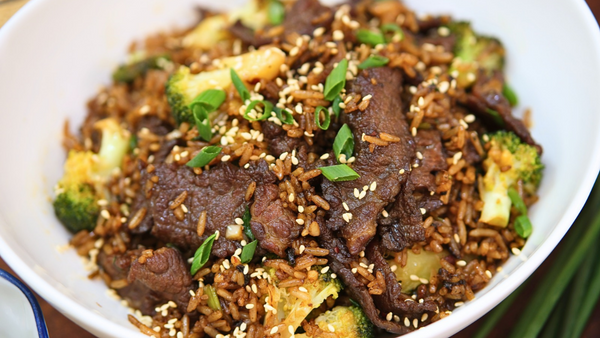
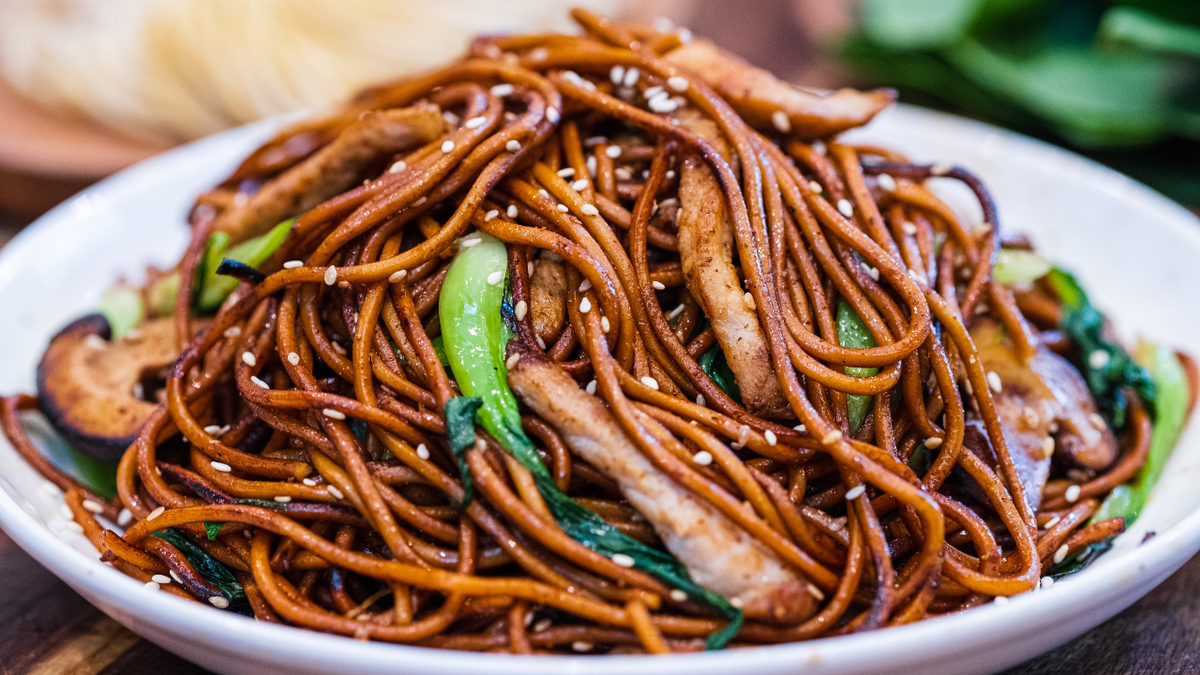
Shanghai-style chow mein is all about the contrast between savory pork, vegetables, and noodles with a satisfying stir-fried finish. It makes a complete meal and is a useful starting point for anyone exploring Chinese noodle dishes.
Chow mein versus lo mein
Chow mein is generally drier and more stir-fried, while lo mein is softer and more generously coated in sauce. Compare it with our beef lo mein or chicken lo mein.
More noodle recipes
Xian La Fen (鲜辣粉), the significant ingredient that will make this chow mein Shanghai style, translates as umami and spicy seasoning. Besides noodles, Shanghai people love to sprinkle this spice powder onto roasted pork, chicken, bbq, and fries. However, if you don't want to spend the time to make Xian La Fen, you can use a mixture of 3/4 tsp of five-spice, 1/2 tsp of chili powder, and 1/4 tsp of MSG.

INGREDIENTS
To Make The Xian La Fen (Umami Spicy Seasoning)
- 1/4 cup of dried red chili, cut into small pieces
- 2 tsp of coriander
- 1.5 tsp of fennel seeds
- 1.5 tsp of Sichuan peppercorn powder
- 1 piece of tangerine peel (1 inch*1 inch), break into small pieces
- 2 tsp of dried ginger slices or ginger powder
- 1 tbsp of chicken bouillon or 2 tsp of MSG
To Marinade the pork
- 200g (7 oz) of pork, julienned
- 1/4 tsp of salt
- 2 tsp of soy sauce
- 2 tsp of Chinese cooking wine
- 1 tsp of cornstarch
- White pepper to taste
To Stir Fry The Noodles
- 300 grams (10.6oz) of fresh noodles, thick
- 1.5 tbsp of soy sauce
- 1.5 tbsp of dark soy sauce
- 1 tbsp of pork lard to coat the noodles
- 3-4 baby bok choy, sliced
- 4 mushrooms, sliced
- 1/4 of a medium size onion, sliced into strips
- 3-4 cloves of garlic, sliced thinly
- 2 tbsp of pork lard to stir fry
- 1.5 tsp of umami spicy seasoning
- 1 tbsp of toasted sesame seeds
INSTRUCTIONS
Make the Xian La Fen (鲜辣粉)
Toast the dried red chili, coriander, fennel, Sichuan peppercorns, dried tangerine peel, and dried ginger in a wok over medium-low heat for a few minutes. Put the spices into a blender and blend into a fine powder. If you have any of the spices already in powder form, you can keep them on the side and mix them into the spice mixture at the end.
Mix the spice powder with 1 tbsp of chicken bouillon powder or 2 tsp of MSG.
Store the Xian La Fen in a sealed container. It will stay good for 4-5 months at room temp.

Marinade the pork
Cut the pork into 1/4 inch thick strips, then marinate with 1/4 tsp of salt, 2 tsp of soy sauce, 2 tsp of Chinese cooking wine, some white pepper to taste, and 1 tsp of cornstarch. Mix well and set it aside. The cornstarch will wrap around the pork and prevent the meat from drying out while cooking.
Although you could use other kinds of protein, such as beef and chicken, pork is the classic choice because this dish is also known as 上海肉丝炒面 (Shanghai julienned pork chow mein).

Prepare All the Vegetables
Slice the mushrooms into 1/4 of an inch thick slabs; Cut the onion into strips; Slice the garlic thinly; Cut the bok choy diagonally. Set everything aside.

Ji Mao Cai (鸡毛菜), Shanghai people's favorite vegetable for stir fry noodles, translated as feather lettuce, is the immature baby bok choy. It got the name due to its tender and fresh texture. However, I couldn’t find Jimaocai in the USA so I just use baby bok choy.
Cook the noodles
You will need some egg noodles or lo mein noodles. You can buy them from the Asian market or click here to learn how to make your own. It is best to use the thick version, so you can achieve that chewy texture. Would other noodles such as pasta, udon, or ramen noodles work? Yes, and the dish will come out as delicious.

Add the noodles to the boiling water and cook for 3 minutes. then drain the noodles completely. Of course, the cooking time varies depending on the thickness and the types of your noodles. What you want are al dente noodles. It should have a firm bite. That is perfect for chow mein.

Some people will rinse the noodles with cold water to stop the cooking process. I tried it and I didn’t like it because it brings in too much water. Moisture is the number 1 enemy for chow main; it makes the noodles soggy and stick to the wok badly.
Season the noodles 1.5 tbsp of soy sauce, 1.5 tbsp of dark soy sauce and 1 tbsp of pork lard. The rest of the heat will melt the fat and coat the noodles so they don’t stick to each other. If you don’t like pork fat, you can use vegetable oil. Seasoning the noodles before the stir-frying is beginner friendly because you can take your time to get everything ready to avoid rummaging around.

Stir fry the noodles
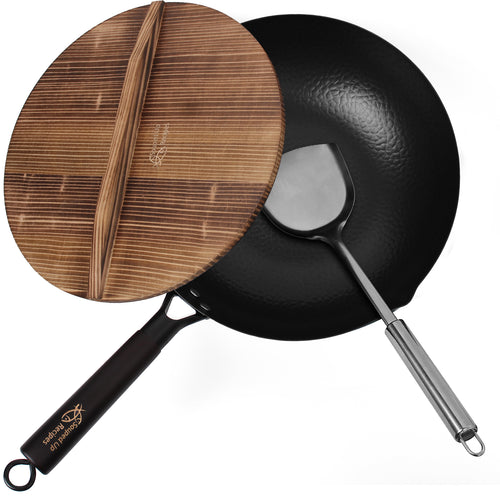
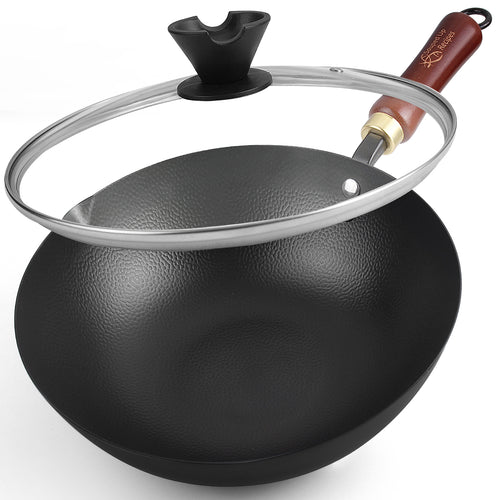
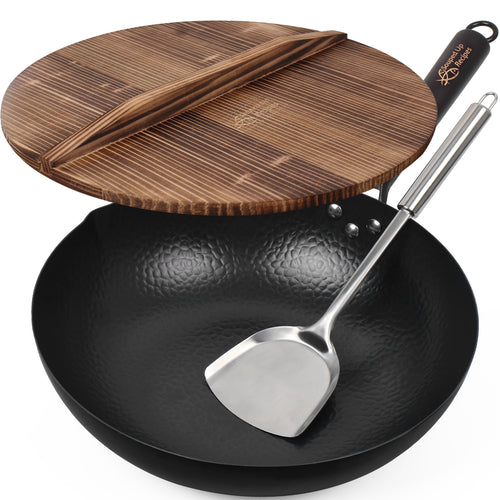
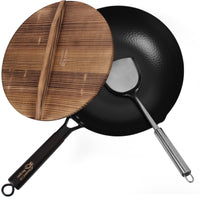
Turn the heat to high and add 2 tbsp of pork lard. Swirl it around to melt it. Toss in the marinaded pork and Stir for a couple of minutes or until you don't see any pink color. I love using a carbon steel wok to cook. It is non-stick but has no Teflon coating, so you don’t need to worry about damaging the wok with the utensil and it gives some beautiful browning results.
Remove the pork from the wok. Make sure you tilt the wok so you can leave the oil behind.

We will use that to saute the garlic, onion, and the mushroom slices. Give it a few quick stirs then switch the heat to high and add the noodles. High heat not only helps you to achieve the wok hay effect, but also, it keeps your noodles from sticking to the wok. A lot of people don't know that, so their noodles stuck to the bottom all the time. When that happens, people tend to add more oil to save the dish, but then your noodles will come out extra oily.
By the way, it is best to use chopsticks or tongs to stir because they are flexible that you can loosen up every strings so the noodles will come out light and airy. Try not to use a spatula or a turner because they either cut off you noodles or compact your noodles.

Introduce the pork back to the wok. Toss in the bok choy. Keep mixing for 30 seconds, and the vegetables should be welted. Before serving, add 1 tbsp of toasted sesame seeds and 1.5 tsp of the umami spicy seasoning, which is the soul of Shanghai Chow mein. Give it a final toss to mingle everything and we are done. Enjoy

168 Better Than Takeout Chinese Recipes
168 tested recipes, each with a demo video and step-by-step photos.
Stir Fry Noodles Pork Chow Mein Recipe (Old Shanghai Style)
Souped Up Recipes
2
45 minutes
15 minutes
Shanghai style chow mein is unique because is seasoned with a special umami spice called Xian La Fen (鲜辣粉), which gives the noodles a savory, spicy, and smoky flavor. In this video, I will show you how to make this special Xian La Fen at home and have this authentic shanghai noodle dish at home. This spice powder is versatile; you can sprinkle it onto roasted pork, chicken, bbq, and fries.
Ingredients
To Make The Xian La Fen (Umami Spicy Seasoning)
- 1/4 cup of dried red chili, cut into small pieces
- 2 tsp of coriander
- 1.5 tsp of fennel seeds
- 1.5 tsp of Sichuan peppercorn powder
- 1 piece of tangerine peel (1 inch*1 inch), break into small pieces
- 2 tsp of dried ginger slices or ginger powder
- 1 tbsp of chicken bouillon or 2 tsp of MSG
To Marinade the pork
- 200g (7 oz) of pork, julienned
- 1/4 tsp of salt
- 2 tsp of soy sauce
- 2 tsp of Chinese cooking wine
- 1 tsp of cornstarch
- White pepper to taste
To Stir Fry The Noodles
- 300 grams (10.6oz) of fresh noodles, thick
- 1.5 tbsp of soy sauce
- 1.5 tbsp of dark soy sauce
- 1 tbsp of pork lard to coat the noodles
- 3-4 baby bok choy, sliced
- 4 mushrooms, sliced
- 1/4 of a medium size onion, sliced into strips
- 3-4 cloves of garlic, sliced thinly
- 2 tbsp of pork lard to stir fry
- 1.5 tsp of Xian La Fen seasoning
- 1 tbsp of toasted sesame seeds
Directions
Make the Xian La Fen (鲜辣粉)
- Toast the dried red chili, coriander, fennel, Sichuan peppercorns, dried tangerine peel, and dried ginger in a wok over medium-low heat for a few minutes.
- Put the spices into a blender and blend into a fine powder. If you have any spice already in powder form, you can keep it on the side and mix it into the spice mixture at the end.
- Optionally, mix the spice powder with 1 tbsp of chicken bouillon powder or 2 tsp of MSG.
- Store the Xian La Fen in a sealed container. It will stay good for 4-5 months at room temp. If you don't want to spend the time to make Xian La Fen, you can use a mixture of 3/4 tsp of five-spice, 1/2 tsp of chili powder, and 1/4 tsp of MSG in this recipe as a replacement.
Marinade the Pork
Cut the pork into 1/4-inch thick strips, then marinate with salt, soy sauce, Chinese cooking wine, white pepper, and cornstarch. Mix well and set it aside. Although you could use other kinds of protein, such as beef and chicken, pork is the classic choice because this dish is also known as 上海肉丝炒面 (Shanghai julienned pork chow mein).
Prepare All the Vegetables
- Slice the mushrooms into 1/4 of an inch thick slabs;
- Cut the onion into strips;
- Slice the garlic thinly; Cut the bok choy diagonally. Set everything aside.
Cook the Noodles
- Choose fresh thick egg noodles or lo mein noodles. You can buy them from the Asian market or click here to learn how to make your own. Would other noodles such as pasta, udon, or ramen noodles work? Yes, and the dish will come out as delicious.
- Add the noodles to the boiling water and cook until al dente. The cooking time varies depending on the thickness and the types of noodles (3-6 minutes). Drain the noodles and shake the excess water.
Some people will rinse the noodles with cold water to stop the cooking process. I tried it and I didn't like it because it brings in too much water. Moisture is the number 1 enemy for chow main; it makes the noodles soggy and stick to the wok badly.
- Season the noodles with soy sauce, dark soy sauce and pork lard. The rest of the heat will melt the fat and coat the noodles, so they don't stick to each other. You can use vegetable oil or butter if you don't like pork fat.
Stir Fry the Noodles
- Turn the heat to high and add 2 tbsp of pork lard. Swirl it around to melt it. Toss in the marinaded pork and Stir for a couple of minutes or until you don't see any pink color.
- Remove the pork from the wok. Make sure you tilt the wok so you can leave the oil behind.
- Add garlic, onion, mushroom slices, and noodles. Stir over high heat for a few minutes.
- Add pork and bok choy. Keep mixing for 30 seconds or until the vegetables are welted.
- Before serving, add 1 tbsp of toasted sesame seeds and 1.5 tsp of the Xian La Fen seasoning, which is the soul of Shanghai Chow mein. Toss well and enjoy!
Reader favorites