


How to Make Sweet Potato Starch from Scratch | Chinese Cooking Essential
Rated 5.0 stars by 1 users
Author:
Mandy Fu
Prep Time
36 hours
Sweet potato starch is one of those ingredients that’s hard to find outside of China, and even if you do have access, it is usually finely ground instead of coarse. Some of you are probably wondering, we have cornstarch already. Why do we need sweet potato starch, and what does it do in cooking? Well, it makes the crispiest popcorn chicken; just for that reason alone, it is worth everything. Also, it makes better velveting when marinating, and it is important in creating that classic qq texture in noodles, desserts, pancakes, and even meatballs.
Recipes that use sweet potato starch:
Almond Shrimp Meat Balls - https://youtu.be/hn3TAyB6OqA
Taiwanese Popcorn Chicken Recipe - https://youtu.be/OyAQrpyG0tE
Sesame Chicken Recipe - https://youtu.be/SZtfEa1zqwI
Chaozhou Style Oyster Pancake (潮州蚝烙) - https://youtu.be/F_GF96ZsjWA
Teochew Five Spice Roll Recipe(潮州五香卷) - https://youtu.be/xvQUzWkiYds
Special Meatball Soup Recipe (Fuzhou Style) - https://youtu.be/BsGISwVz2Uk
Crispy Pork Recipe (Sichuan Style) - https://youtu.be/nmtTzpeJtaU
I had to offer cornstarch as a substitute in the past, but honestly, nothing can really compete and replace sweet potato starch. That’s why I want to make this demo so you can experience authentic Chinese recipes using the real Chinese ingredients.
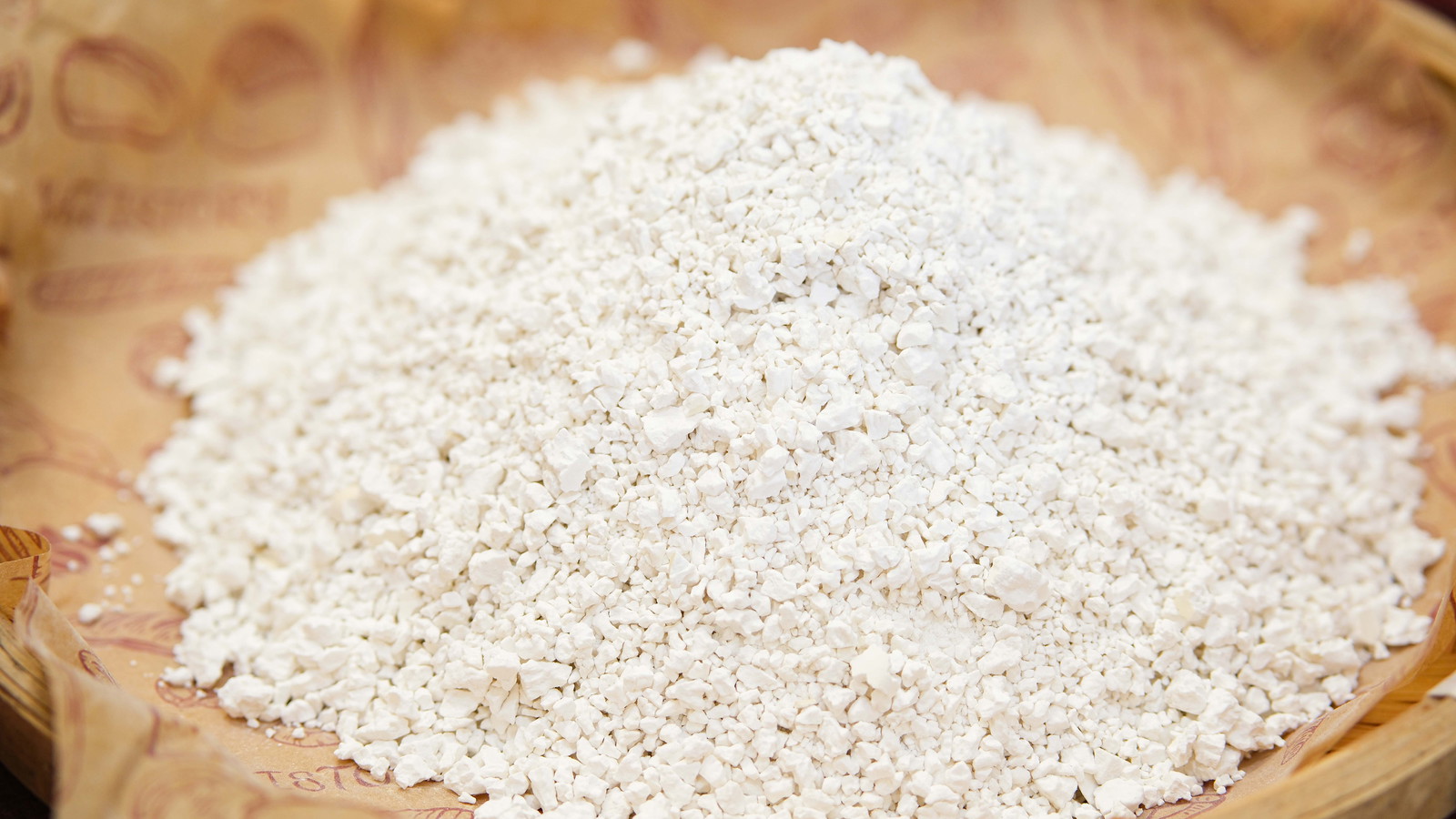
I started with 3kg of sweet potatoes and went through the full traditional process—washing, blending, extracting, settling, and drying. It’s simple in theory, but it definitely takes time and patience. After multiple rounds of rinsing and extracting, letting the starch settle, cleaning it, and drying it slowly, I ended up with about 438g of starch—around a 15% yield.
Ingredients
-
3kg of sweet potatoes
Directions
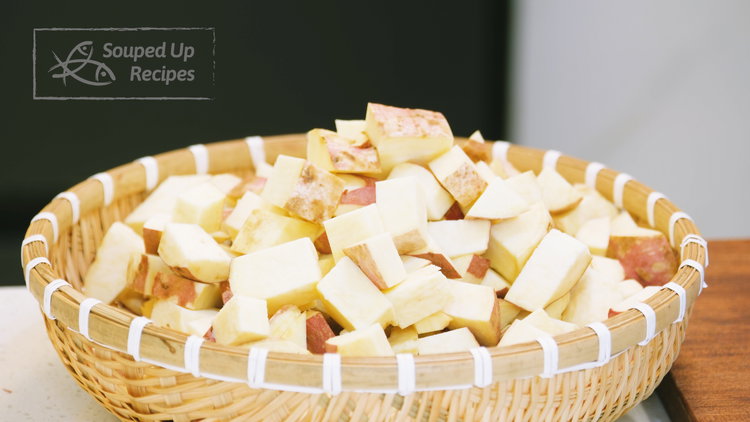
Wash the sweet potatoes thoroughly and rub off any dirt. Trim away any damaged or black spots, then cut them into smaller chunks. (No need to peel.)
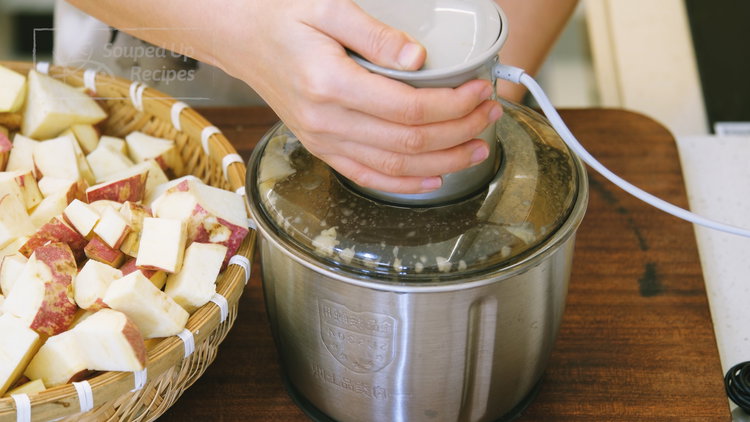
Add the sweet potatoes into a food processor. Pour in enough water to cover about half of the potatoes, then blend into a fine puree. Work in batches if needed.
Transfer the puree into a large container lined with a cheesecloth. Rinse out the processor so you don’t waste any starch.
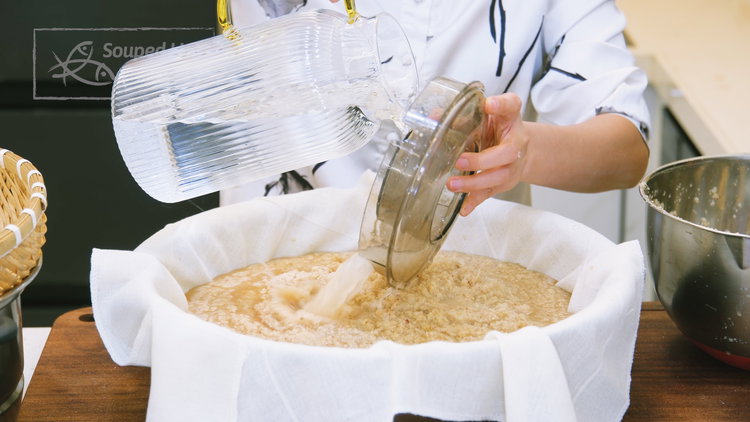
Lift the cheesecloth and rub the puree continuously for 5–8 minutes while squeezing firmly to extract as much starch liquid as possible. Once done, collect the starch water to separate bowls.
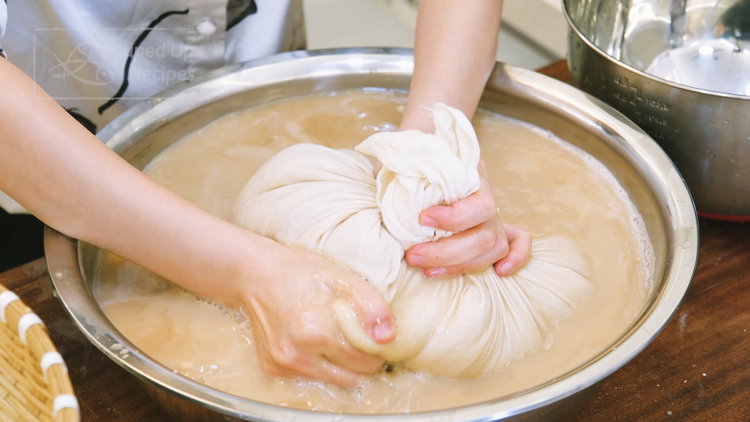
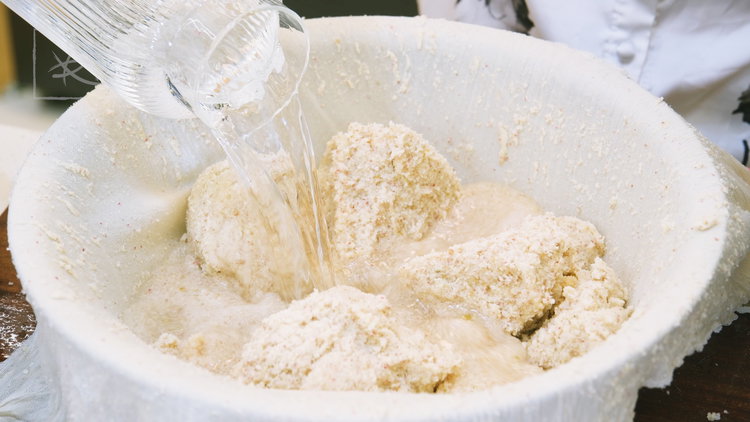
Add more water to the pulp, mix well, and repeat the rubbing and squeezing process. Do this for about 5–6 rounds until most of the starch is extracted.
Let all the collected starch water sit undisturbed for about 3 hours so the starch can settle at the bottom.
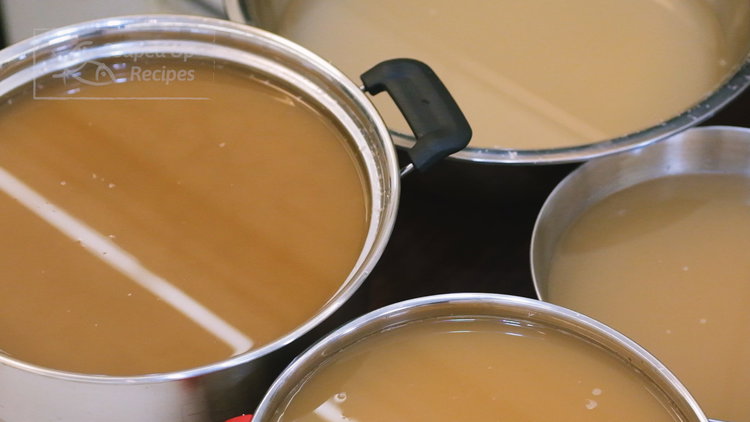
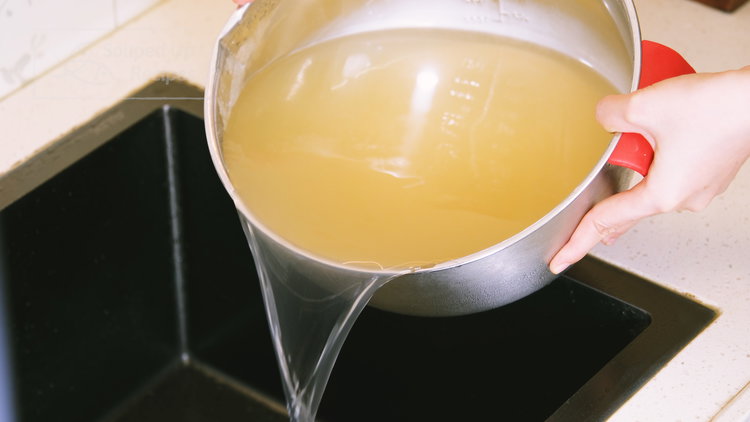
Carefully pour off the top liquid, keeping the starch behind. Add clean water, stir well, and let it settle again in the fridge overnight to further purify.
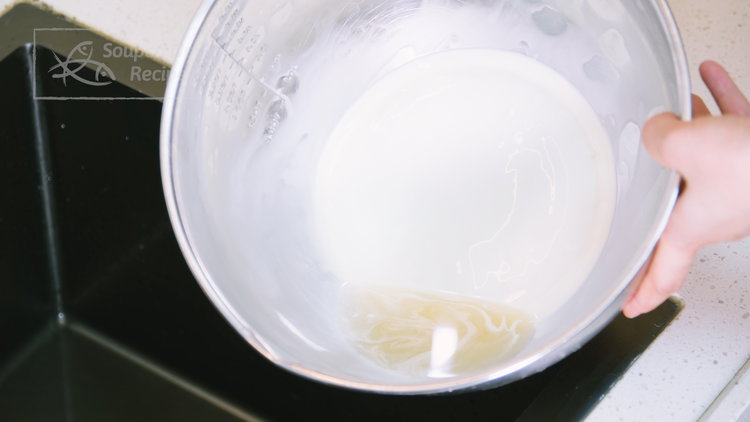
The next day, pour off the liquid again. Transfer the starch onto a cheesecloth.
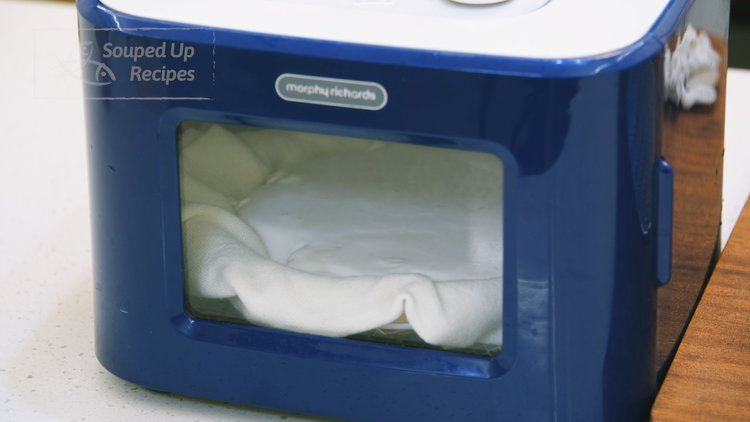
Dry the starch in a dehydrator at 35°C (95°F) for 24–36 hours, or sun-dry for 2–3 days until fully dry.
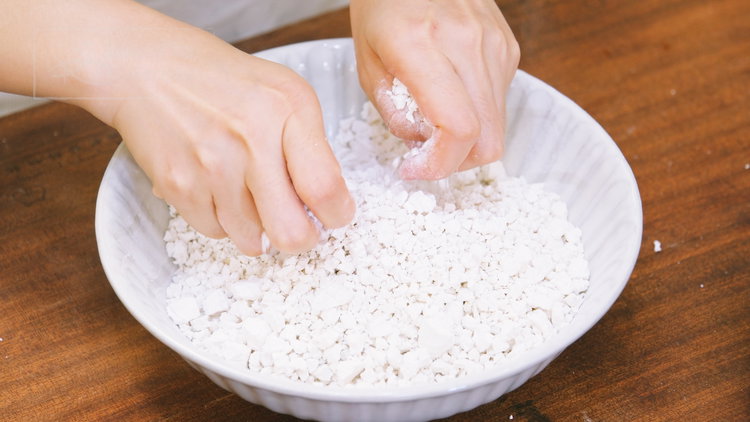
As it dries, break it into chunks to speed up the process. To check if the starch is fully dried, crush a piece in between your fingers and it should collapses and falls apart into sandy little pieces.
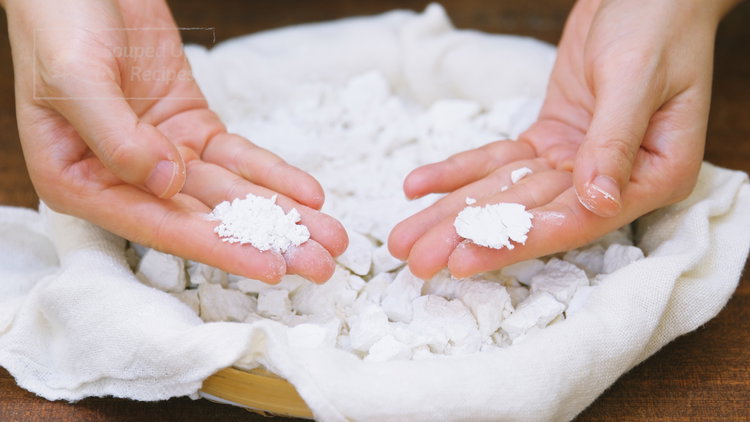
Once fully dry, crush it into coarse granules or grind it into a fine powder, depending on your preference. Store it in an airtight container for up to a year.