Bao Buns: A Guide to Chinese Steamed Buns
Soft steamed buns are one of the most welcoming parts of Chinese cooking: warm, hand-held, practical, and endlessly adaptable. In English, the phrase “bao bun” is often used very broadly. It can refer to a pleated filled bun, an open folded bun holding pork belly, a small dim sum bun, or even a plain steamed bread. Those foods are related, but they are not interchangeable. Knowing the basic vocabulary makes it much easier to buy the right bun, choose a useful steamer, and serve a meal that feels generous rather than improvised.
This guide is about navigating Chinese steamed buns as a home cook. It is not a substitute for the method in a specific recipe: dough hydration, filling, proofing, and steaming time should always follow the recipe you are making. Instead, use it to understand the choices around the recipe—what kind of bun you are looking at, how to keep buns tender, how to reheat them well, and how to put them on the table.
Bao buns at a glance
| If you want… | Look for… | Best use |
|---|---|---|
| A sealed bun with a savory or sweet center | Baozi | Breakfast, a snack, or a complete hand-held meal |
| A plain steamed wheat bread | Mantou | Soaking up braising sauce, serving with soup, or making a simple sandwich |
| An open folded bun for filling at the table | Folded steamed buns | Pork belly, pickles, herbs, and a build-your-own meal |
Quick answer: choose the bun by its job, not by the broad English label. Filled baozi are a meal in themselves; mantou are the neutral, sauce-friendly choice; folded buns are for assembling around a filling. The package shape and cooking directions are more reliable than the words “bao bun” alone.
Start with the language: bao, baozi, and mantou
Baozi (包子, often shortened to bao) are filled steamed buns. The filling may be pork, chicken, beef, vegetables, mushrooms, red bean, custard, or another regional and household favorite. Some baozi are neatly pleated at the top; others are shaped more simply. The important idea is that the dough encloses a filling.
Mantou (馒头) are generally plain steamed buns without a filling. They can be round, oval, twisted, or shaped into small rolls. Their quiet flavor is the point: mantou is excellent beside a saucy braise, with a fried egg, or split and used as a simple vehicle for leftovers. Regional language and food traditions are rich and not always perfectly mapped onto English labels, so it is better to treat these words as practical guides than rigid rules.
The popular restaurant-style folded bun sometimes called a “bao bun” is usually an open, taco-like steamed bun. It is useful for holding a filling such as braised pork belly, fried chicken, mushrooms, pickles, or herbs. It is not the same format as a sealed baozi, although the dough is in the same family of soft steamed wheat breads. When shopping, read the package and look at the shape rather than relying on a single English name.
Steamed buns have many local expressions. Some are breakfast food, some are part of dim sum, some are packed for travel, and some are made for festival traditions. A good guide should leave space for that variety. The goal is not to decide which version is the “real” bun; it is to understand what a particular bun is meant to do at your table.
Choose the bun by the meal, not by a trend
The easiest way to make a smart choice is to begin with the dish you are serving.
For a saucy braise, choose plain mantou or a minimally sweet bun. The bun can absorb a little sauce without competing with the main dish. For a complete, handheld meal, choose filled baozi. For a shareable spread, offer two kinds: perhaps a savory filled bun and one plain bun with a small dish of chili crisp or pickled vegetables nearby.
Folded buns work particularly well for an interactive meal. Set out a protein, a crisp vegetable or pickle, a fresh herb, and one sauce; let each person build a bun. This format is excellent for casual gatherings because it prevents the cook from having to assemble every serving alone. Keep portions small enough to close comfortably. A bun that cannot be lifted without spilling is harder to enjoy than one with a slightly more modest filling.
When buying frozen buns, notice whether they are raw, fully cooked, or par-cooked. Follow the manufacturer’s instructions for that specific product. Frozen buns are a convenience food, but they still reward good handling: steam only the amount you plan to eat, keep the rest frozen, and avoid repeated thawing and refreezing.
The basic steaming setup
A dedicated bamboo steamer is useful because it lets steam circulate around the food while keeping condensation from falling as heavily onto the buns. It also moves beautifully from stove to table. A metal steamer works well too, especially for day-to-day durability. What matters most is that the lid fits, the buns have room around them, and the water does not boil dry.
Line the steamer when needed. Perforated parchment, cabbage leaves, corn husks, or reusable steamer liners can help prevent sticking. Do not crowd the basket. Buns expand as they heat, and even fully cooked frozen buns need enough breathing room that their surfaces do not stick together. If you are steaming several layers, rotate baskets only when the recipe or package calls for it; lifting the lid repeatedly releases steam and slows the cook.
Keep the water level below the steamer base. The aim is steam, not boiling water touching the buns. Start with enough water for the expected steaming time and keep a kettle of hot water nearby if you are doing several batches. Adding cold water to a vigorously steaming pot can interrupt the rhythm of the cook and increase the chance that the pot runs low later.
Use a steady, moderate boil rather than treating the pot like a race. Steam should be active and reliable. The lid should be lifted only when you have a reason to check progress or remove the food. This steady approach is especially helpful for delicate buns, which can wrinkle or become damp if condensation is allowed to collect and drip onto them.
How to keep steamed buns soft rather than wet
The most common disappointment is not a dry bun—it is a damp, heavy one. Moisture management solves much of the problem.
First, do not overcrowd the steamer. Second, use a liner so the bun does not sit on a wet surface. Third, once the buns are ready, remove them from the steamer rather than letting them rest over residual steam for a long time. If you are holding them briefly for guests, move the basket off the heat, keep the lid slightly ajar if the room is humid, and serve in small rounds.
For reheating, steam is usually kinder than a microwave. A microwave can be convenient for one bun, but it can create a tough edge as it cools. If using one, wrap the bun loosely in a clean damp paper towel and heat gently in short intervals. Do not overheat it. The goal is to warm the center, not to dry the dough or overcook the filling.
For frozen buns, steaming directly from frozen is often preferable to thawing them on the counter. The exact time will depend on their size and whether they are fully cooked, so use the package instructions as the authority. If the bun contains meat or seafood, make sure the center is properly hot before serving.
Build a simple steamed-bun meal
You do not need a restaurant-sized dim sum spread to make buns feel special. A practical home meal might include buns, a crisp vegetable, a small bowl of something spicy, and tea or soup.
For a weeknight dinner, pair buns with a fast green vegetable—bok choy, napa cabbage, water spinach, or broccoli—plus a bright condiment. For a more substantial spread, add a noodle dish or a braise. The bun should have a job: it can carry a filling, balance a salty sauce, or give the meal a soft, comforting contrast.
Sauces should support rather than bury the bun. A simple blend of soy sauce, black vinegar, and chili oil is versatile. Chili crisp offers texture and heat; a mild soy-vinegar dip keeps the focus on the filling. If serving rich pork or beef buns, include something acidic or crisp: quick-pickled cucumber, vinegar-dressed cabbage, or fresh herbs.
For a family-style table, place a small set of tongs or a serving spoon next to the steamer and bring additional baskets out as the first disappears. This is more effective than piling every bun into one large bowl, where the bottoms can become damp and the last servings can lose their warmth.
Make the freezer work for you
Steamed buns are excellent for planning ahead. Cool fully before freezing so excess steam does not become ice crystals. Freeze in a single layer until firm, then move the buns to a labeled freezer-safe container or bag. This reduces sticking and makes it easy to take out only what you need.
Store filled buns separately from plain mantou where possible, especially if several varieties look similar. A small label saves a surprising amount of guesswork on a busy morning. Keep a few plain buns as a flexible base: they can accompany soup, turn leftovers into a quick sandwich, or become part of a simple breakfast.
Treat storage guidance on a package as more specific than any general tip. For cooked leftovers, refrigerate promptly and reheat thoroughly before serving. The USDA’s general food-safety guidance is a helpful baseline for cooling and storing prepared foods, but the filling and the product instructions should guide your decision in practice.
A good first steamed-bun toolkit
You can begin with very little:
- A steamer that fits a pot you already own.
- Liners or simple parchment cut to fit.
- Tongs for removing hot buns without tearing the dough.
- A shallow dish for dipping sauce.
- A freezer container if buns will become a regular staple.
A bamboo steamer basket set gives you an attractive, useful setup for buns and dumplings. If you are making a full homemade bun project, start with a specific recipe and let its instructions lead. Our Chicken Bao Buns recipe, Chinese Pork Steamed Buns, and Baked Bao Buns show several different directions from one comforting family of foods.
Questions home cooks ask
Are bao buns always filled? In everyday English, “bao buns” can mean several formats. Baozi are filled buns; mantou are usually plain. Look at the product, not just the label.
Can I use a metal steamer? Absolutely. Bamboo has useful moisture-handling qualities and a classic presentation, but a well-fitting metal steamer can produce excellent buns.
Why did my buns stick? Crowding, a wet surface, and insufficient lining are common causes. Give each bun space and use an appropriate liner.
What should I serve with buns? A crisp vegetable, a light soup, or a tangy pickle is often enough. Rich buns benefit from acidity and freshness.
Can I make this a make-ahead meal? Yes. Freeze cooled buns in portions, then steam the number you need. Follow product instructions and reheat filled buns until hot throughout.
Further reading and reference notes
- The Hong Kong Tourism Board’s account of Cheung Chau’s bun tradition offers useful cultural context for the many meanings steamed buns can hold beyond an everyday meal.
- For storing leftovers safely, see the USDA Food Safety and Inspection Service’s guidance on shelf-stable and prepared foods. Product instructions remain the best guide for a purchased frozen bun.
- Steamed-bun terms vary by region and language. This article deliberately uses broad, respectful descriptions rather than treating one local usage as universal.
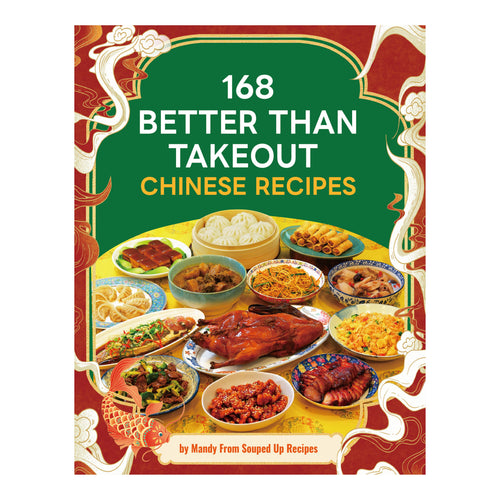
168 Better Than Takeout Chinese Recipes
168 tested recipes, each with a demo video and step-by-step photos.
Reader favorites