Mooncakes: A Guide to Chinese Mid-Autumn Festival Pastries
Mooncakes are closely associated with the Mid-Autumn Festival, a time when families and communities gather, share food, and notice the full moon. For many home cooks, mooncakes are also an invitation into a very specific kind of baking: the pastry is shaped with a mold, the filling is prepared with care, and the finished cakes are often given as gifts as well as served at the table. They are not everyday cookies, and they are not meant to be rushed. Their compact size and patterned surface carry a sense of occasion.
This guide helps you understand the broad mooncake landscape before you choose a style, buy a mold, or open a box. It is not a replacement for a tested mooncake recipe—pastry ratios, filling moisture, baking temperature, and resting time must come from the recipe itself. Use it to make better decisions around the recipe: which mooncake format fits your plans, how to serve and store it, and how to put a small mooncake-making session together at home.
Which mooncake is right for you?
| Style | Texture and character | Best first use | Storage decision |
|---|---|---|---|
| Cantonese-style baked | Thin browned pastry around a dense, rich filling | A traditional tea table, gifting, or a first mold project | Follow the bakery or recipe guidance for that filling |
| Snow-skin | Soft, pale outer layer with a chilled, often contemporary filling | A lighter-looking, modern dessert spread | Treat refrigeration and the stated use-by date as essential |
| Regional or flaky styles | Varies widely: crisp, layered, nutty, savory, or fruit-forward | Exploring a bakery assortment or a more specific regional recipe | Use the product or recipe directions rather than assuming it handles like a baked Cantonese cake |
Quick answer: choose a baked Cantonese-style mooncake when you want the classic molded pastry; choose snow-skin when chilled storage and a softer texture suit the occasion. For either type, share small wedges with tea so guests can compare flavors without committing to a whole rich cake.
Why mooncakes matter at Mid-Autumn Festival
Mid-Autumn Festival is observed on the fifteenth day of the eighth lunar month. It is often described through images of reunion, harvest, lanterns, and moon viewing. Mooncakes belong to that larger setting. Their round form is frequently associated with fullness and togetherness, which is one reason they are so often shared rather than eaten casually alone.
The festival is celebrated across Chinese communities and in many other East and Southeast Asian cultures, with local customs and food traditions that deserve their own names and context. There is no single “correct” mooncake experience. A traditional lotus-paste mooncake with salted egg yolk can sit beside modern flavors, snow-skin mooncakes, regional pastries, and a pot of tea. What connects the table is the act of gathering and sharing.
For a home cook, this context is liberating. You do not need to recreate a grand banquet to enjoy mooncakes meaningfully. A few neatly cut wedges, tea, fruit, and good company are enough. If you are baking, choose a scale that is enjoyable: one filling, one mold size, one tray, and a clear plan for how the finished cakes will be stored or shared.
The main kinds of mooncakes
Cantonese-style baked mooncakes
When many people picture a classic mooncake, they are thinking of a baked Cantonese-style cake with a thin, browned pastry and a dense filling. Lotus seed paste, red bean paste, mixed nuts, and salted egg yolk are familiar examples, but bakeries and home cooks use many variations. The patterned top is usually formed with a spring-loaded mold, and the pastry develops its characteristic color after baking and resting.
The important thing to understand is contrast: a thin crust frames a rich filling. That is why a small wedge is often more satisfying than a large portion. It is also why tea is such a natural partner.
Snow-skin mooncakes
Snow-skin mooncakes are typically softer, paler, and served chilled. Their outer layer is not the same as a baked crust, and their fillings can range from traditional pastes to contemporary fruit, custard, or ice-cream-inspired flavors. Because storage and food-safety needs vary considerably by filling, always follow the recipe or product instructions closely. Snow-skin cakes are especially useful when you want a lighter-looking, modern presentation, but they demand careful temperature control.
Regional and contemporary styles
Mooncake traditions include many regional pastry forms, textures, and fillings. Some are flaky, some are crisp, and some are more like small filled cakes than the glossy round version most familiar in gift boxes. Modern bakeries may offer tea, fruit, chocolate, savory, or hybrid flavors. There is room for curiosity here. The best choice is not the most elaborate box; it is the mooncake you and your guests will enjoy and understand.
Choosing a mooncake for serving or gifting
Before buying or baking, ask three questions: Who is eating it? How will it be served? How will it be stored?
For a small tea gathering, choose a variety box with a few styles rather than a large quantity of one dense flavor. For a family that loves traditional fillings, a classic lotus-paste or red-bean option may be exactly right. For friends who are new to mooncakes, include a familiar or lighter filling alongside a classic one and serve small wedges with a brief explanation.
If you are giving mooncakes as a gift, check the date, storage instructions, allergen information, and whether the recipient has refrigeration space. Gift packaging is part of the pleasure, but it should not replace practical information. A beautifully boxed product still needs to arrive at the right temperature and be eaten within its stated window.
For homemade mooncakes, choose one pattern and one portion size for your first session. A spring-loaded mold with several stamps can provide variation without creating a new technical problem for every cake. Consistency matters more than complexity: evenly portioned dough and filling make the baking process calmer and the finished tray more polished.
The role of the mooncake mold
A mooncake mold does three jobs. It portions the dough and filling into a consistent form, presses a pattern into the surface, and gives the cake a recognizable presentation. The mold is not merely decorative. When used with the correct dough and a measured portion, it helps the cake release cleanly and bake evenly.
Choose a size that matches your recipe. A 50-gram mold cannot be used casually for a 100-gram formula; the filling-to-dough balance will change and the cake may crack, spread, or lose its pattern. Weighing portions is not fussy in this context—it is the simplest way to get repeatable results.
Prepare the work surface before you start pressing. Have a lined tray ready, keep the mold clean and dry, and use the recipe’s recommended method for preventing sticking. Press with steady, even pressure. A hard, impatient push can compress the dough unevenly or make release more difficult. It is better to test one cake, adjust, and then continue than to shape twenty cakes before noticing that the pattern is not releasing well.
Our moon cake mould with 16 patterns is useful for a first home-baking setup because it keeps portioning and imprinting in one simple tool. If you enjoy a more handmade surface, a wooden stamp set for Chinese mooncakes can add another finishing option.
Build a relaxed home-baking workflow
Mooncakes reward organization. Do the thinking before you touch the dough.
Start by reading the entire recipe, including the resting period after baking. Some baked mooncakes improve after the crust has time to soften and develop its sheen, so the day you bake is not always the day you plan to serve. Prepare filling portions, dough portions, mold, tray, liner, brush, and any glaze before forming the first cake.
Work in small batches. Keep unused dough covered so it does not dry out. If a filling is sticky, use the recipe’s handling guidance rather than adding flour indiscriminately; changing the surface too much can affect the final crust. If you are using salted egg yolks or another special filling element, keep portions consistent so that each cake cuts cleanly and feels balanced.
Leave space between cakes on the tray. The exact spacing and baking schedule depend on the recipe, but crowding makes it harder to rotate a tray and harder to see whether individual cakes are coloring evenly. A reliable bakeware pan can make a larger session more orderly, though one ordinary lined baking sheet is enough to begin.
Serve mooncakes with balance
Mooncakes are rich by design. Serve them in wedges, not as oversized individual desserts. A small sharp knife, a plate, and napkins are usually all you need. Tea is a traditional-feeling partner because it refreshes the palate, but the important point is balance: offer a beverage that is not very sweet and allow guests to taste the filling without rushing.
Fresh fruit can be a thoughtful addition, especially for a table with several rich flavors. Pears, grapes, citrus, or another seasonal fruit provide contrast without turning the occasion into a complicated dessert buffet. A bowl of nuts may be lovely, but remember that many mooncake fillings already contain nuts or seeds; check for allergies and avoid repetition if needed.
Mooncakes can be the closing note after dinner, but they do not need to be held until a formal dessert course. A late-afternoon tea table, a small package brought to a friend, or a family moon-viewing moment can all be appropriate. The cultural meaning comes from attention and sharing, not elaborate staging.
Storage and food safety
Storage is determined by the mooncake style and filling, not by tradition alone. Commercial products should be stored exactly as their label directs. Homemade baked mooncakes should follow the specific recipe’s guidance; fillings with eggs, dairy, fresh fruit, or other perishable ingredients may need refrigeration. Snow-skin mooncakes and chilled fillings are especially sensitive to temperature.
Do not rely on appearance alone to decide whether a filled pastry is still safe. Label homemade batches with the date, keep them protected from moisture and strong odors, and give away only what can be stored properly by the recipient. The Food Safety and Inspection Service’s general guidance on shelf-stable and refrigerated foods is useful background, but the recipe’s storage instructions are more specific to the food in front of you.
A thoughtful first mooncake project
If this is your first time, make the goal modest: learn the mold, become comfortable with the portions, and enjoy the ritual. Start with our Classic Cantonese Mooncake Recipe. Consider a second style only after the first one feels manageable; the core skills of accurate portioning, clean shaping, and patient storage apply across many mooncake formats.
Mooncakes are often treated as a once-a-year challenge, but the skills transfer: portioning, handling rich fillings, working with stamped dough, and arranging a small celebratory table. More importantly, the project creates a reason to slow down and share something made with care.
Common questions
Are all mooncakes baked? No. Baked Cantonese-style mooncakes are one well-known type, but snow-skin and many regional styles use different doughs, temperatures, and storage methods.
Why are mooncakes so small? They are concentrated pastries with rich fillings and are commonly cut into wedges for sharing.
Do I need a mold? A mold is the easiest way to achieve the recognizable shape and pattern. It also helps with consistent portioning.
How far ahead can I bake them? Follow your recipe exactly. Some baked mooncakes benefit from resting; chilled styles have different food-safety requirements.
What should I drink with mooncakes? Unsweetened tea is an easy choice, but any beverage that refreshes the palate can work.
Further reading and reference notes
- The Metropolitan Museum of Art’s discussion of Mid-Autumn Festival imagery provides cultural context for the festival’s associations with the moon and Chang’e.
- The University of Manchester Museum’s Mid-Autumn Festival overview describes the festival as a time for gratitude, reflection, togetherness, lanterns, and mooncakes.
- For general storage context, see USDA FSIS shelf-stable food-safety guidance. Always defer to the exact product label or tested recipe for a mooncake’s storage requirements.
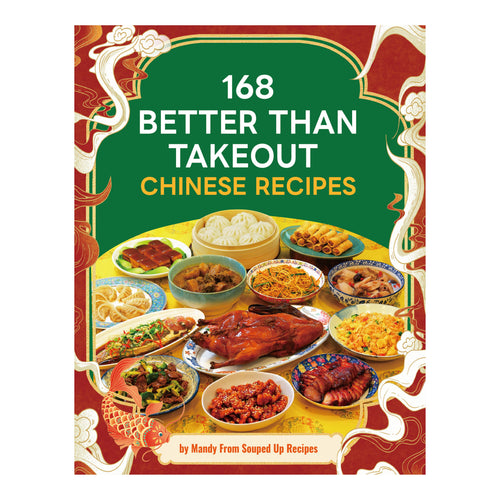
168 Better Than Takeout Chinese Recipes
168 tested recipes, each with a demo video and step-by-step photos.
Reader favorites