Pork Belly Recipes: Chinese Favorites to Make at Home
Pork belly is one of the most rewarding cuts in Chinese cooking when it is given the time and method it needs. Its layers of meat and fat are not a problem to work around; they are the reason a slow braise becomes silky, rich, and deeply satisfying. The cut needs balance, though. A good pork-belly dish is not simply fatty or sweet. It is shaped by aromatics, soy sauce, wine, sugar, vinegar, spices, broth, and—just as importantly—something fresh or bitter alongside it.
Chinese cooking offers many pork-belly traditions, from red-braised dishes to soy-braised preparations, rice bowls, noodle soups, and slow-cooked celebrations. This guide explains the practical decisions that make those dishes easier at home: choosing the cut, managing richness, building a braising setup, serving it well, and handling leftovers safely. Use the exact ingredient quantities and cooking schedule in the recipe you choose; this is the surrounding know-how that helps that recipe succeed.
Start here: choose a Chinese pork-belly recipe
| If you want… | Start with… | Why it fits |
|---|---|---|
| A traditional, slow celebratory braise | Dong Po Rou | A rich, centerpiece-style pork-belly dish worth giving time to |
| Red-braised pork with a streamlined home-cook approach | Hong Shao Rou | The classic sweet-savory direction with practical rice-cooker support |
| A full noodle-bowl meal | Braised Pork Belly Noodle Soup | Pork belly, sauce, broth, and noodles in one satisfying format |
Quick answer: this is a collection-style query, so begin by choosing the meal you want—not a generic cooking method. The guidance below helps each of those recipes succeed without changing the recipe itself.
What to look for when buying pork belly
Choose a piece with distinct, reasonably even layers of meat and fat. The skin may be on or off depending on the dish. Skin-on pork belly is useful when a recipe is designed to turn the skin tender and gelatinous during a long braise; skinless belly may be easier for a quicker sliced preparation. Do not assume one is universally better. Follow the recipe’s direction and buy the form it expects.
Fresh pork should be cold, well wrapped, and free from an off odor. Look for meat that is firm rather than sticky, and fat that is clean-looking rather than gray or dried at the edges. Thickness matters too. A very thin belly can overcook before it develops the supple texture you want, while a very thick piece may require more time or a different cut. If you can, choose a piece that will cut into similarly sized blocks after trimming.
Ask the butcher for help when you are unsure. Tell them whether you are braising cubes, making a rice bowl, or slicing pork for a noodle soup. A small amount of context lets them suggest the right thickness and whether skin-on belly suits the dish.
Why braising suits pork belly
Pork belly is not an instant-cook cut. Its magic happens when gentle heat has time to soften connective tissue and let fat render gradually into the sauce. A braise is especially effective because it combines flavorful liquid with controlled heat. The meat becomes tender, while the liquid becomes a sauce that can be spooned over rice, noodles, or vegetables.
The exact technique varies by recipe. Some recipes blanch the pork first; some brown it; some caramelize sugar before adding liquid; some use an aromatic stock. Do not mix and match these steps casually. Each recipe has its own logic. What carries across is the principle of patience: a hard rolling boil can make the outside look done while the interior remains tight. A quiet simmer or oven braise allows the texture to change more evenly.
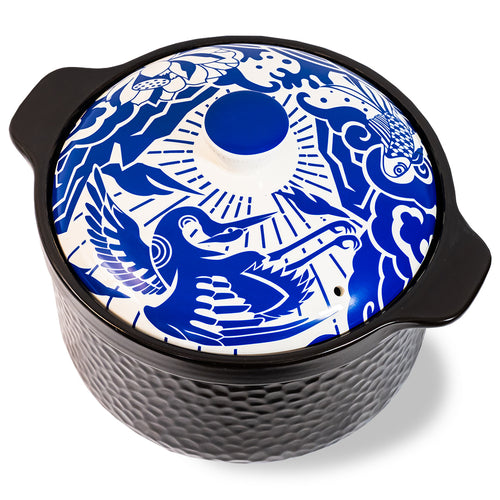
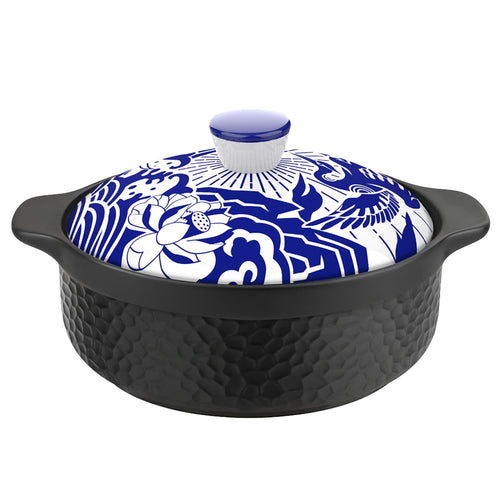
Give the pot room. If pieces are piled high above the liquid or crowded into a narrow pan, the cook becomes uneven and the sauce reduces unpredictably. A wide, heavy pot with a lid works well. A clay pot can be particularly pleasant for a gentle braise, provided it is suited to your heat source and the recipe’s instructions.
Build flavor in layers
Many Chinese pork-belly dishes start with a foundation of aromatics. Ginger, scallion, garlic, star anise, cassia or cinnamon, dried chile, and citrus peel may appear depending on the region and recipe. Soy sauce brings savory depth and color. Rock sugar or another sugar can soften the sauce’s edges and create a glossy finish. Shaoxing wine, rice wine, or another cooking wine may add fragrance.
The purpose of this flavor structure is balance. Pork belly already brings richness. The braising liquid should not merely add more heaviness; it should bring aroma, salt, sweetness, and a little lift. Taste near the end, not only at the beginning. Reduction concentrates everything. A sauce that seems mild at the start may become too salty or too sweet if the lid is left off for too long.
Acidity is often the missing note. It may come from a side dish rather than the braise itself: pickled mustard greens, quick cucumber pickles, a bright cabbage salad, black vinegar, or a vegetable cooked with garlic. Serving a rich braise with something sharp is not an afterthought. It is part of how the dish stays pleasurable to eat.
Choose the right vessel and heat
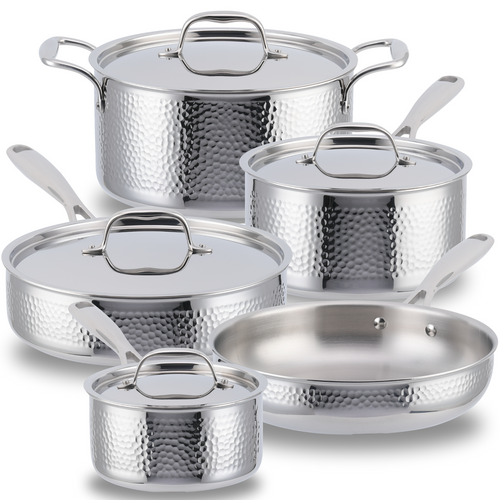
A heavy Dutch oven, braising pan, or clay pot is useful because it stabilizes the heat and gives the pork room to cook in a single layer or near-single layer. Choose a vessel with a lid that fits well. Too much evaporation early can leave you with a reduced sauce before the pork is tender; too little evaporation at the end can leave a watery result.
Begin with the heat level your recipe specifies. In most braises, the aim is a gentle simmer rather than a violent boil. Small, lazy bubbles are a good visual cue. If the liquid is splashing and the pork is bouncing, the heat is probably too high. If nothing is moving at all, the cook may take far longer than expected.
For a clay pot, avoid abrupt temperature changes. Warm the pot gradually, avoid placing a very hot pot on a cold or wet surface, and follow the manufacturer’s directions. A Chinese clay pot can create a beautiful table presentation for a braise, but it should be chosen for its practicality, not only its appearance.
Know when pork belly is ready
Tenderness is the key quality marker. A chopstick, skewer, or fork should slide through with little resistance, but the cube should still hold its shape. The fat should look translucent and soft rather than rubbery. The exact time depends on thickness, starting temperature, pot shape, and cooking method, so do not rely on a timer alone.
Food safety and tenderness are related but not identical. The USDA notes that whole cuts of pork should reach a safe minimum internal temperature of 145°F / 62.8°C with a three-minute rest. For a braise, the pork will usually cook beyond that point in pursuit of its desired texture. A thermometer helps with safety; a tenderness check tells you whether the braise is actually ready to serve.
Do not rush a tough piece by turning the heat dramatically higher. If the pork is not tender, it usually needs more gentle cooking time and adequate liquid. Check that the pot is not drying out, cover if necessary, and return to a stable simmer.
Serve pork belly with contrast
Pork belly loves rice because rice catches the sauce and keeps each bite from becoming overwhelming. Noodles work beautifully too, especially in a bowl with broth, greens, and a spoonful of braising liquid. Steamed buns are another natural partner; their mild, soft dough gives the pork a place to land.
Add a vegetable that can keep its character. Stir-fried bok choy, gai lan, napa cabbage, water spinach, or blanched greens with garlic are strong choices. Include something bright: pickled radish, a vinegar-dressed cucumber, or a simple chile-vinegar sauce. If the braise has a strong star-anise or cinnamon note, a fresh green side keeps the aroma from feeling too dense.
Portion thoughtfully. Because pork belly is rich, smaller cubes served with rice and vegetables often feel more generous than a large pile of meat. A family-style pot can be inviting, but give guests the tools to balance their own bowls.
Cool, store, and reheat leftovers well
Pork belly often tastes even better the next day because the flavors have time to settle. Cool leftovers promptly in shallow containers, refrigerate them, and follow safe storage guidance. When chilled, fat may firm on the surface. You can remove some if you prefer a lighter sauce, or stir it back in while reheating for a richer result.
Reheat gently in a covered pan with a little water or stock if the sauce has become very thick. A microwave can work for a single portion, but cover it loosely and pause to stir so the center heats evenly. Reheat leftovers until piping hot. The USDA lists 165°F / 73.9°C for leftovers, a useful baseline for making sure a chilled braise is reheated safely.
Freeze only portions you expect to use. Label the container with the date and the dish name. If serving the pork later with noodles, freeze the braise separately from the noodles; the texture will be better when they are prepared fresh.
Recipes to explore
Our Dong Po Rou pork belly is a natural place to experience a slow, classic-style braise. Hong Shao Rou highlights the appeal of red-braised pork, while Braised Pork Belly Noodle Soup shows how to turn the same rich cut into a complete bowl.
Pair any of them with steamed rice, greens, and a light pickle. If you want to make the meal more celebratory, serve the braise in a clay pot and place a basket of steamed buns at the table.
Common questions
Should I remove the skin? Only if the recipe calls for it. Skin-on and skinless pork belly behave differently, and the recipe’s method should guide the purchase.
Why is my pork belly tough? It usually needs more gentle cooking time. Keep enough liquid in the pot and avoid a hard boil.
Is a braise always sweet? No. Many use sugar for balance and color, but the finished flavor should also include savory aromatics and, often, a fresh or acidic side dish.
Can I make pork belly ahead? Yes. It is an excellent make-ahead dish when cooled, stored, and reheated safely.
Further reading and reference notes
- USDA FSIS: safe minimum internal temperatures, including 145°F / 62.8°C with a three-minute rest for whole cuts of pork and 165°F / 73.9°C for leftovers.
- USDA FSIS: Fresh Pork From Farm to Table, which provides additional purchasing, handling, and cooking guidance.
- This article discusses general technique. The specific timing, ingredients, and preparation steps belong to the recipe you choose.
168 Better Than Takeout Chinese Recipes
168 tested recipes, each with a demo video and step-by-step photos.
Reader favorites