Chinese Dumpling Tools: Trays, Steamers, Wrappers, and Storage
Dumpling-making tools should make the process calmer, not more complicated. A home cook does not need a cabinet full of novelty presses to make good jiaozi, wontons, potstickers, shumai, or bao. What helps most is a simple setup that keeps wrappers from drying, keeps finished dumplings from sticking, and lets you cook one batch without scrambling for a tray, liner, or serving dish.
The useful question is not “What dumpling gadget should I buy?” It is “Which part of the process needs to become easier?” A tray solves the problem of where finished dumplings wait. A steamer solves the problem of gentle, organized cooking. A liner solves the problem of sticking. A plate with a sauce compartment makes serving less messy. Start with the job, then choose the tool.
Dumpling tools at a glance
| If you are doing this | The useful tool | Why it matters |
|---|---|---|
| Wrapping a batch | Bowl for filling, spoon or small spatula, clean towel | Keeps portions consistent and wrappers pliable |
| Holding finished dumplings | Rimmed tray or sheet pan | Stops them touching, sticking, and tearing |
| Steaming | Steamer plus liner | Gives dumplings space and prevents the skins from fusing to the basket |
| Pan-frying | Wide lidded skillet or wok | Lets the bottoms crisp and the tops steam in one vessel |
| Serving | Plate or shallow bowl plus separate dip | Keeps the skins dry and gives each diner control over sauce |
| Freezing | Tray, then a well-sealed container or bag | Freezes dumplings individually before they are stored together |
Quick answer: begin with a tray, a steamer that fits a pot you already own, and a reliable way to portion filling. A dedicated dumpling press is optional. Good handling and enough workspace make a much bigger difference than a one-purpose gadget.
Build a small, practical dumpling station
Set up before opening the wrapper package. Place the filling in a bowl with a spoon or small flexible spatula, lay wrappers beside it, cover the stack with a barely damp towel or clean paper towel, and set a tray within arm’s reach. Keep a small bowl of water only if the wrapper or recipe needs it for sealing. Too much water makes seams slippery and weak; use only enough to help the edges adhere.
The finished-dumpling tray is more important than it sounds. Arrange dumplings in a single layer with space between them. A rimmed sheet pan, a board, or several dinner plates can work. If the dumplings will wait more than a few minutes, lightly flour the surface only when the recipe calls for it, or use parchment. Different wrappers behave differently, and a wet or heavily floured surface can create its own problems.
Choose a calm place for the raw filling. If it contains meat or seafood, keep it separate from ready-to-eat dipping sauce, cooked dumplings, and garnishes. Wash hands and tools between raw and cooked food. That is basic food safety, but it also makes a group dumpling session much easier to manage: one side of the table is for raw assembly, and the other is for cooked food and serving.
Wrappers and shaping: use your hands before buying a press
Store-bought wrappers are a smart choice for most home cooks. They give you an even starting point and let you spend your attention on filling, sealing, and cooking. Keep the stack covered while you work. Dry wrapper edges crack; cracked edges make sealing frustrating and lead to leaks later.
Use a modest amount of filling. A dumpling should close comfortably without forcing the filling toward the rim. Press out large air pockets as you seal, but do not squash the dumpling flat. The goal is a firm seal and a pleasing shape, not a perfect social-media fold on the first try.
You do not need a press to make a tidy dumpling. A simple half-moon fold works for many boiled or pan-fried dumplings. Pleats are worth learning when you enjoy the process, but they are not a requirement for a good dinner. If you are cooking with children or new cooks, make the first batch about learning the filling amount and seal; decorative folds can wait.
For homemade wrappers, a rolling pin and bench scraper are genuinely useful. The scraper portions dough and keeps the board clean. Still, do not add those tools just because a recipe uses them. Buy them when you decide homemade wrappers are a regular project, not before your first successful dumpling night.
Choose the cooking tool by the dumpling you are making
Steamed dumplings
A bamboo steamer is especially pleasant for bao, shumai, and delicate dumplings because it moves easily from pot to table. A 10-inch bamboo steamer basket set is a practical all-purpose size for a home meal. Place it over simmering water, not in water, and make sure the water cannot boil dry during the cook.
Use liners when a recipe needs them. Perforated parchment, cabbage leaves, or purpose-made liners prevent sticking while still allowing steam to circulate. Leave space between dumplings; they expand and soften as they cook. A crowded basket creates steamed-together skins and makes it difficult to remove one dumpling without damaging another.
Boiled dumplings
For boiled jiaozi, a wide pot and a spider or slotted spoon are more useful than a special dumpling accessory. Bring the water to the boil specified by the recipe, add dumplings without crowding, and move them gently if needed so they do not settle and stick. Transfer cooked dumplings to a dry plate or shallow serving bowl rather than letting them sit in cooking water.
Pan-fried dumplings and potstickers
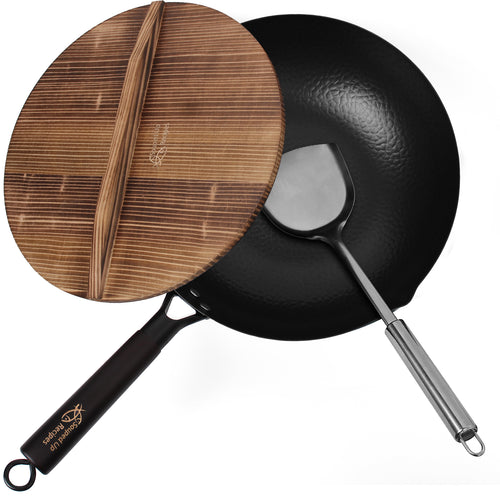
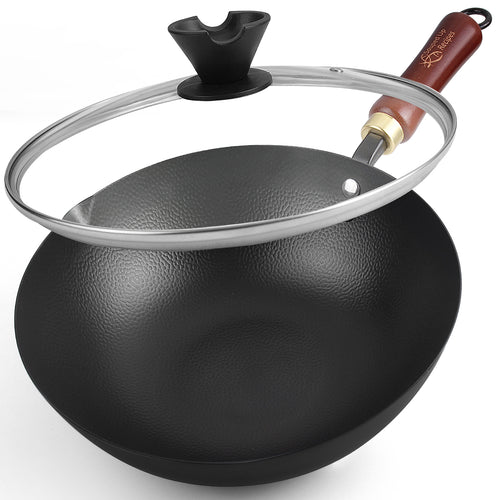
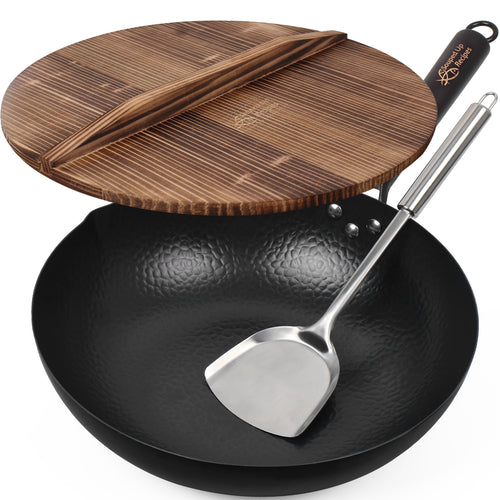
A broad, lidded skillet or wok is useful because pan-frying has two stages: crisping the base and steaming the top. Choose a pan large enough to arrange the dumplings with a little room between them. Do not force a giant batch into a small pan; uneven crowding is the easiest way to get a mix of pale, stuck, and broken dumplings.
If you use a wok, a stable flat-bottomed pan is often easiest on a home electric or induction surface. The point is not theatrical tossing. The point is dependable heat, enough room, and a lid that lets steam finish the skins.
Liners, trays, and the small things that prevent sticking
Most dumpling problems are really moisture-management problems. Wrappers dry out when exposed to air; cooked skins stick when they sit on a wet surface; frozen dumplings fuse when they touch before they are solid. The solution is not more flour everywhere. It is placing each item on the right surface at the right moment.
For steaming, use a breathable liner and avoid puddles of condensation. For holding uncooked dumplings, use a dry tray with enough separation. For serving, avoid piling hot dumplings in a deep, closed bowl where steam can soften the bottom skins. Bring dumplings to the table in small rounds if a large batch needs several steamer loads.
A plate with a separate sauce compartment is a small but thoughtful serving tool. It keeps soy-vinegar dip from soaking the dumpling skins and lets each person adjust chili oil, garlic, scallion, or sesame oil. That is more useful than a large shared bowl of sauce that becomes watered down over the meal.
Freeze dumplings so future dinner is easy
Dumplings are one of the best make-ahead foods, but only if they are frozen in a single layer first. Arrange uncooked dumplings so they do not touch on a lined tray, freeze until firm, then transfer them to a labeled container or bag. This prevents the wrappers from fusing together and makes it possible to take out only what you need.
Label the filling and date. It sounds mundane, but pork-and-chive, chicken-and-mushroom, and vegetarian dumplings often look similar once frozen. Cook frozen dumplings according to the recipe or package directions rather than thawing them fully on the counter. The wrapper and filling both hold their shape better when the cooking method is designed for frozen dumplings.
The U.S. Department of Agriculture’s general freezing and food-safety guidance is a helpful baseline; use it alongside the specific timing and safe-temperature instructions in the recipe you are following.
A complete but uncluttered dumpling setup
For most home cooks, the following is enough:
- Wrappers and a filling bowl.
- A spoon or small spatula for consistent portions.
- A towel to cover wrappers.
- A tray or sheet pan for finished dumplings.
- A steaming, boiling, or pan-frying vessel matched to the recipe.
- A liner for steamed dumplings.
- A serving plate and small bowls for dip.
Add a rolling pin, bench scraper, and scale only when homemade wrappers or a larger freezer session become regular projects. There is no benefit in buying the “advanced” version of a tool before the basic workflow feels comfortable.
Put the tools to work
For a full dumpling night, start with Pan-Fried Soup Dumplings or Chicken Bao Buns. Both are good reminders that the best tool is one that makes you want to repeat the cooking session: a tray that keeps the batch organized, a steamer that fits your pot, and a serving setup that gets hot dumplings to the table promptly.
Common questions
Do I need a dumpling press? No. It can be fun, but it is not essential. A reliable filling portion and a well-sealed hand fold are more valuable.
What should I line a bamboo steamer with? Use the liner your recipe recommends. Perforated parchment, cabbage leaves, and reusable liners can all work when they allow steam to circulate.
Can I freeze dumplings after cooking them? It can be done, but raw dumplings frozen individually and cooked from frozen usually provide the best texture. Follow the specific recipe and safe-storage guidance.
Why do my steamed dumplings stick? Usually the liner, crowding, or residual moisture is the issue. Use a suitable liner, leave room, and remove the dumplings promptly when they are cooked.
Further reading
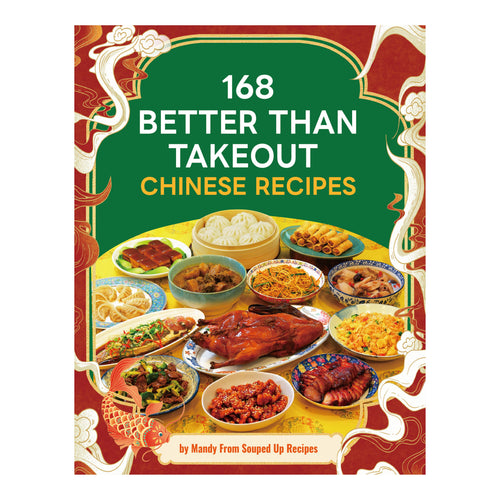
168 Better Than Takeout Chinese Recipes
168 tested recipes, each with a demo video and step-by-step photos.
Reader favorites