Clay Pot Cooking Guide: Choosing, Seasoning, and Cooking Rice, Soup, and Braises
A Chinese clay pot is made for patient, gentle cooking. It excels at soups, braises, congee, and clay pot rice—dishes that benefit from a gradual rise in heat and can stay warm at the table. It is not a substitute for a high-heat wok, and it should not be rushed from cold to very hot or from heat to a wet, cold surface.
The most important thing to understand is that “clay pot” is a broad category. Materials, glazes, burner compatibility, and first-use instructions can differ. The product’s own care information always comes first. This guide explains the practical habits that apply broadly: match the pot to the dish, heat it gradually, avoid abrupt temperature changes, and let it cool before cleaning.
Clay pot cooking at a glance
| If you want to make… | Why a clay pot helps | What matters most |
|---|---|---|
| Soup or congee | Gentle, steady heat and table-ready serving | Begin gradually and keep enough liquid in the pot |
| A slow braise | A covered environment for tender meat and a concentrated sauce | Use a calm simmer, not a hard boil |
| Clay pot rice | Warmth and a broad base for rice, toppings, and a crisped bottom when the recipe is designed for it | Follow the recipe and your pot’s heat guidance closely |
| A fast stir-fry | A wok is the better tool | Do not use clay as though it were thin metal cookware |
Quick answer: choose a clay pot for slow, moist, comforting cooking and serving. If the dish needs sudden high heat, rapid tossing, or aggressive temperature changes, choose another pan.
Choose a pot that fits your cooking and heat source
Start with the product’s stated compatibility. Some clay pots are made for direct stovetop use; some are oven-safe under specific conditions; some are intended only for a particular burner type or for serving. Never assume that a clay pot can move safely between every heat source simply because another clay pot can. The material and glaze matter.
Size is equally practical. A smaller pot is good for congee, a side dish, or one or two servings of soup. A larger pot is more useful for family meals and braises, but it becomes heavy once filled with liquid. Think about burner size, cabinet space, and how comfortable you are lifting a hot pot from stove to table.
Lid fit is worth checking. A close-fitting lid helps maintain a gentle cooking environment and reduces evaporation. A lid that is too loose can leave a braise watery or require a longer cook. You can remove the lid near the end of a recipe if it needs reduction, but that should be a deliberate step rather than an accident caused by poor fit.
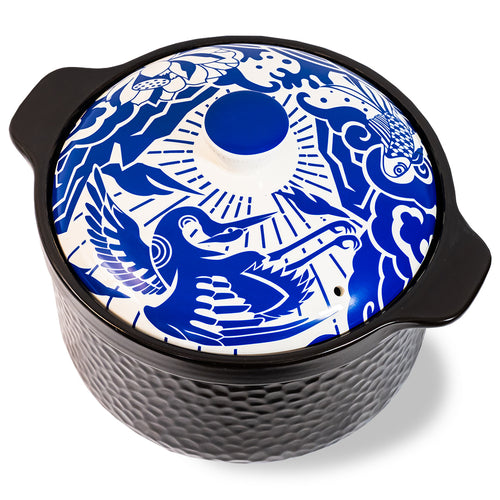
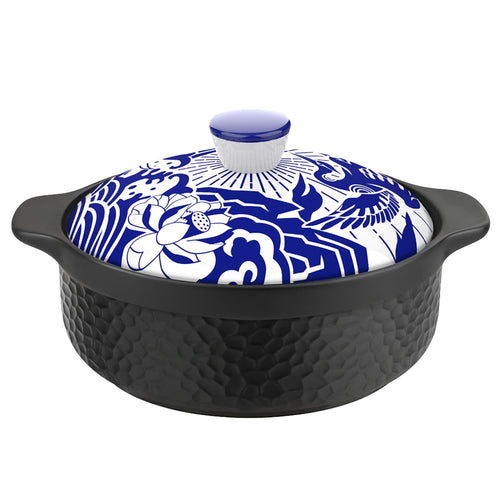
Our Asian clay pot is intended for slow, table-friendly Chinese cooking. Before first use, follow the care instructions that came with your specific pot; they take priority over any generalized online seasoning method.
The thermal-shock rule
Clay does not enjoy abrupt changes in temperature. Do not put a refrigerator-cold pot over a very hot burner. Do not pour cold liquid into a very hot vessel. Do not set a hot pot on a wet or cold countertop. Let the pot heat and cool gradually, and use a dry trivet or towel when moving it to the table.
This is not unnecessary caution. Thermal shock is a common cause of cracking in ceramic cookware. A practical guide from the Chinese Culinary Academy makes the same central point for Cantonese claypot rice: build heat gradually and avoid sudden temperature changes.
Begin over low or medium heat unless the manufacturer specifically directs another method. Give a liquid dish time to warm instead of trying to force a rapid boil. If a recipe was written for metal cookware and assumes an aggressive sear, adapt by choosing a clay-pot-specific recipe rather than improvising a high-heat technique.
What to cook in a clay pot
Soup and congee
Clay pots are especially pleasant for soup and congee because both dishes benefit from a steady simmer. The pot can move to the table for serving, where the lid helps preserve warmth. Start with enough liquid, keep the heat controlled, and avoid leaving a pot unattended until you understand how quickly it reduces on your stove.
For congee, the calm pace is part of the dish. Stir according to the recipe, paying special attention as starch thickens. A pot that is nearly dry can scorch quickly, so adjust heat and liquid before the bottom becomes a problem.
Braises
For pork, chicken, beef, tofu, or vegetables cooked in a savory liquid, a clay pot provides a comfortable, covered environment. Choose pieces that fit without forcing a tall stack. A near-single layer cooks more evenly than an overfilled pot, and it gives you a better sense of how the sauce is reducing.
Keep the simmer quiet. If the liquid is splashing hard and the food is bouncing, the heat is too high for the slow, gentle texture you are trying to create. Add hot liquid if a recipe needs more during cooking; adding very cold liquid to a hot clay pot is unhelpful for both the recipe and the pot.
Dong Po Rou and Braised Pork Belly Noodle Soup are useful examples of dishes where slow cooking and a table-ready vessel make sense. Follow each recipe’s exact method rather than treating this guide as a replacement for its cooking times or ingredient quantities.
Clay pot rice
Clay pot rice is beloved for its contrast: tender rice, savory toppings, and—in recipes designed for it—a crisp layer at the bottom. It is also one of the least forgiving clay-pot projects because rice and direct heat demand attention. Begin with a tested recipe, a pot of the intended size, and a reliable sense of your burner.
Do not chase a dramatic crust by turning the heat to maximum. A scorched bottom does not taste like a purposeful rice crust. The best clay-pot-rice methods manage heat in stages and tell you when to cover, when to listen or smell for changes, and when to rest the pot. Your pot’s material, thickness, and burner all affect the result.
A simple first-use workflow
- Read the manufacturer’s specific care and heat-source guidance.
- Inspect the pot and lid for any visible crack, chip, or loose part before heating.
- Start with a forgiving liquid dish such as soup or congee rather than a high-heat rice recipe.
- Use low-to-moderate heat and give the vessel time to warm.
- Let it cool naturally on a dry surface before washing.
This approach teaches you how your pot behaves without making the first cook unnecessarily stressful. It also gives you a chance to test how the lid fits, how quickly liquid simmers, and how heavy the pot feels when full.
Cleaning and storage
Let the pot cool completely before washing. Rapid cooling is as risky as rapid heating. Clean gently with warm water and a soft sponge; use soap only if the manufacturer allows it. Avoid abrasive pads that can scratch a glaze or roughen the surface.
Dry the pot thoroughly before storing. Leave the lid slightly ajar if the manufacturer recommends airflow, or store it in a way that prevents lingering moisture and odors. Do not stack heavy cookware inside a clay pot. The rim and lid can chip more easily than metal cookware, and a small chip can affect how the lid sits.
If you see a crack that grows, a loose glaze, or damage that raises a safety concern, stop using the pot until you can verify its condition with the manufacturer. A clay pot is a long-term tool when treated carefully; it is not one to push through damage.
Make clay-pot cooking part of a real weeknight routine
Clay pots do not need to be saved for a special occasion. Use one when you want a gentle soup, a braise that can hold on low heat, or a one-pot rice meal that comes to the table beautifully. Plan around its pace. Cut ingredients before heating, keep hot water nearby if a recipe may need it, and leave time for the pot to cool after dinner.
The value of a clay pot is not that it makes every dish better. It gives certain dishes the patient, shared quality they deserve. Choose it with intention, follow its care instructions, and let it be the slow-cooking tool in a kitchen that also has faster options.
Common questions
Do all clay pots need to be seasoned? No universal method applies. Glazes and materials differ, so follow the manufacturer’s instructions for your specific pot.
Can I use a clay pot on induction? Only if the manufacturer explicitly says it is compatible. Do not assume ceramic cookware will work on induction.
Why did my clay pot crack? Sudden temperature change, inadequate product compatibility, or existing damage can all be factors. Avoid thermal shock and check the product guidance before use.
Can I cook a stir-fry in a clay pot? A wok or skillet is usually the better tool. Clay pots are designed for gentler, moist cooking rather than rapid high-heat tossing.
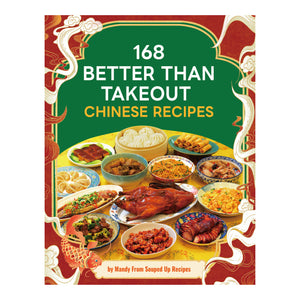
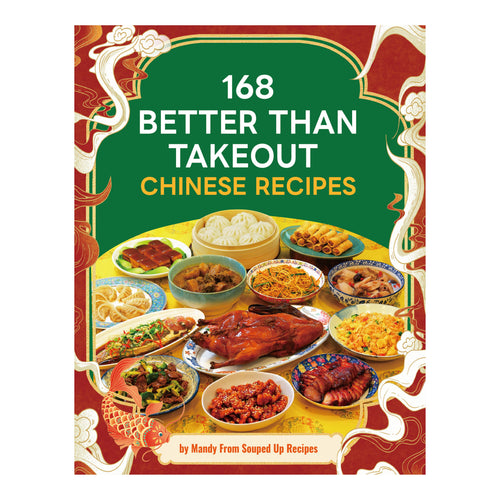
168 Better Than Takeout Chinese Recipes
168 tested recipes, each with a demo video and step-by-step photos.
Reader favorites