Essential Chinese Pantry Ingredients: What They Are and How to Use Them
A useful Chinese pantry is built gradually. It is not a test of how many unfamiliar jars you can collect, and it is not one universal shopping list for every regional cuisine in China. The best starting pantry is the one that helps you cook the recipes you actually enjoy: a few sauces that create savory depth, a few aromatics that make dishes smell alive, and a few starches or dried staples that turn vegetables and protein into dinner.
The practical approach is to buy one ingredient, learn what it does, then add the next one when a recipe gives it a clear job. That creates a pantry you understand rather than a shelf of half-used bottles. It also respects the fact that Chinese cooking is not one flavor profile. A Cantonese-style soup, a Sichuan dish, a northern noodle bowl, and a Shanghai red braise will overlap in some ingredients while using them very differently.
Start with these six ingredients
| Ingredient | What it does | First dishes to make |
|---|---|---|
| Light soy sauce | Everyday saltiness and savory seasoning | Stir-fries, noodle sauces, marinades |
| Chinese black vinegar | Deep, malty acidity and balance | Dumpling dip, braises, cold dishes |
| Oyster sauce | Savory body and gentle sweetness | Vegetable stir-fries and beef dishes |
| Toasted sesame oil | Finishing aroma, used in small amounts | Noodles, soups, dipping sauces |
| Cornstarch | Thickens sauce and changes meat texture in marinades | Stir-fries and glossy sauces |
| Rice or dried noodles | A dependable base for meals | Quick bowls, fried rice, noodle dishes |
Quick answer: if you are starting from zero, buy light soy sauce, black vinegar, oyster sauce, sesame oil, cornstarch, and one dependable starch. Add dark soy sauce, cooking wine, chile ingredients, fermented products, and specialty noodles as the recipes you repeat ask for them.
Understand the sauce before you use it
Light soy sauce and dark soy sauce are not interchangeable
Light soy sauce is commonly used for seasoning. It contributes salt and savory depth without making every dish very dark. Dark soy sauce is often used more sparingly for color, a deeper sweetness, and a rounder appearance. Brands vary in saltiness, sweetness, and thickness, so a bottle from one brand is not a perfect substitute for another.
When a recipe calls for light soy sauce, do not automatically replace it with dark soy sauce. The result may become too dark or lose the clean, seasoned flavor the recipe expects. When a recipe calls for dark soy sauce, a small amount may be doing visual work as much as flavor work. Treat the two bottles as different tools, not as duplicate versions of the same ingredient.
Chinese black vinegar and rice vinegar solve different problems
Chinese black vinegar has a deeper, darker, often malty character. It is excellent in a dumpling dip, a rich braise, or a cold dish that needs lift without a sharp, plain sourness. Rice vinegar is usually lighter and brighter. It can be useful when you want acidity to feel clean and quick.
Neither one needs to dominate a dish. Add vinegar with a purpose: to wake up a rich sauce, balance chile and salt, or provide a contrasting dip. Taste after adding it. Acidity is not just “sour”; it changes the way sweetness, salt, and fat read on the palate.
Oyster sauce and sesame oil are finishing tools, not shortcuts for every dish
Oyster sauce adds savory body. It is particularly useful when a vegetable stir-fry needs a little more depth without becoming watery. It is concentrated, so begin with the recipe amount and taste before adding more soy sauce or salt.
Toasted sesame oil is aromatic. A few drops near the end can transform a soup, noodle bowl, or sauce, but too much makes every dish taste alike. Store it according to the label and use it as a finishing note rather than the main cooking oil in a high-heat stir-fry.
The next layer: aromatics, cooking wine, and texture
Fresh ginger, garlic, and scallions are the most versatile aromatic trio for a Chinese-cooking kitchen. They work in different ways: ginger can bring warmth and freshness, garlic can add immediate savory fragrance, and scallion can support a dish at the beginning or finish it with a bright edge. Buy only what you will use soon, and keep them ready for small weeknight meals.
Shaoxing wine or another cooking wine may appear in marinades, stir-fries, soups, and braises. It adds fragrance rather than simply liquid. Use the exact product a recipe calls for when possible and check labels if you are cooking around alcohol restrictions or dietary needs. Do not replace it casually with a drinking wine and expect the same result.
Cornstarch deserves a place in the pantry because it has two distinct jobs. It can thicken a sauce, and it can contribute to the tender, lightly coated texture in a meat or tofu marinade. Those are not the same technique, so follow the recipe’s order of operations. A sauce thickened too early can become heavy; a marinade mixed carelessly can clump.
Add ingredients by cooking direction
| When you want to cook… | Add these next | What they unlock |
|---|---|---|
| Everyday stir-fries | Dark soy sauce, cooking wine, white pepper | More developed savory sauces and color |
| Spicy dishes | Chile oil, dried chiles, chile bean paste | Heat with regional character rather than generic sharpness |
| Noodles and dumplings | Chinkiang vinegar, chili crisp, dried noodles | Dipping sauces and quick bowl meals |
| Braises and soups | Dried shiitake, star anise, rock sugar as recipe-led | Longer-cooked depth and aroma |
| Vegetarian meals | Firm tofu, tofu skin, fermented bean curd | Protein, texture, and concentrated savory notes |
Do not buy all of these at once. The table is a map, not a shopping mandate. Choose the direction that matches the next two or three recipes you intend to make.
Shop with a label-reading habit
At an Asian market, several products may have nearly the same English name. Look for the Chinese characters or a recipe’s product photo when available, and read the ingredient list. This is especially useful for soy sauces, black vinegars, chile products, cooking wines, and fermented ingredients. Some versions are more sweet, salty, spicy, or preserved than others.
Buy modest bottle sizes while you are learning. A small bottle that gets used is better value than a large bottle that ages at the back of the cupboard. Check whether an item is shelf-stable until opened, should be refrigerated after opening, or has a specific serving recommendation. The package is the most reliable authority for that individual product.
Avoid treating “authentic” as a shopping contest. The useful ingredient is the one that fits the dish and the cook’s access, budget, and dietary needs. A thoughtful substitution can be better than an unused specialty item; a substitution that changes the whole character of a dish should be acknowledged rather than disguised.
Store for flavor, not just expiration
Keep dry ingredients dry and sealed. Rice, noodles, dried mushrooms, starch, and spices all suffer from humidity. Keep oil and sauces away from direct heat and sunlight. Refrigerate items after opening when the label calls for it, particularly products that are more perishable or contain ingredients such as chile, sesame, or fermented soy.
Labeling matters in a busy pantry. Write the open date on a bottle if you tend to own several similar sauces. Wipe the rim after using sticky sauces so the lid closes cleanly. Keep strong-smelling dried ingredients in sealed containers so their aromas do not migrate into tea, flour, or other delicate foods.
Make a simple first week of meals
The best way to learn a pantry is to use the same ingredients in different settings. Make one noodle dish, one vegetable stir-fry, and one braise or soup over the course of a week. Notice how light soy sauce behaves differently in a fast wok dish than it does in a dipping sauce. Notice how a small amount of black vinegar changes a rich dish. Those comparisons teach more than reading ten labels at once.
Try Beef Lo Mein to put aromatics, soy sauce, and noodles to work. For a slower, richer application, use Dong Po Rou. The point is not to buy every bottle in advance; it is to let real cooking tell you which ingredients deserve a permanent place in your pantry.
A note on regional variety
It is tempting to call any short list “the Chinese pantry,” but that phrase hides a great deal of regional, family, and personal variation. Cantonese cooking may emphasize one set of sauces and dried ingredients; Sichuan cooking may lead a home cook toward chile bean paste and peppercorns; northern cooking may center more on wheat foods and vinegars. A starter list should make exploration easier, not imply that one pantry represents all Chinese cooking.
For a useful outside perspective on a core pantry, see The Woks of Life’s essential Chinese ingredients guide. Use a guide like that as a reference point, then let the recipes you love determine what comes home with you.
Common questions
Do I need both light and dark soy sauce? Eventually, yes, if the recipes you cook call for both. Light soy sauce is the more immediate first purchase; dark soy sauce is worth adding when a recipe needs its color and deeper profile.
Is Chinese black vinegar the same as balsamic vinegar? No. Both can be dark and complex, but they are different products with different flavor profiles. Use the vinegar a recipe specifies when possible.
What is the best first spicy ingredient? Choose one you will use: chili oil or chili crisp is a flexible starting point. Add more region-specific chile ingredients when a recipe gives them a clear role.
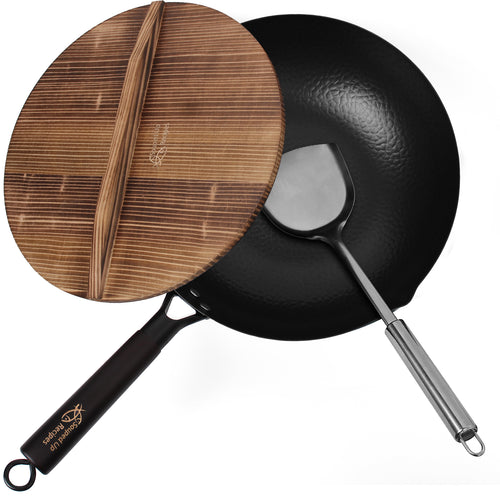
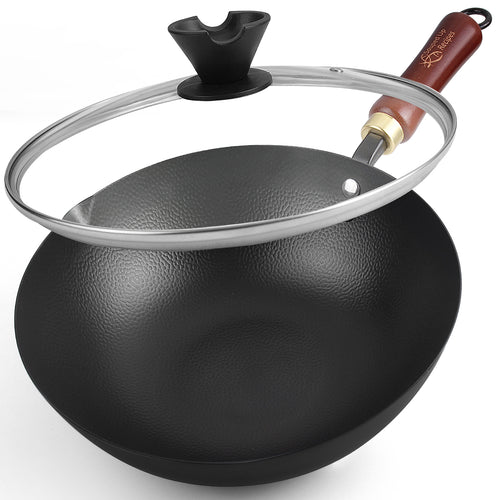
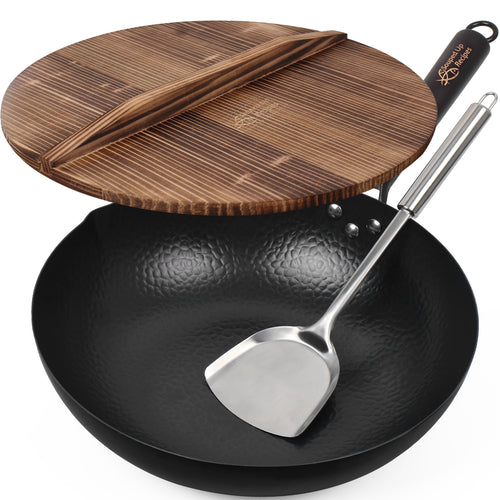
Should I buy a wok before stocking ingredients? A useful pan helps, but sauces, aromatics, and a plan for a few recipes will do more for daily cooking than buying every tool first. When you are ready, our carbon steel wok guide can help you match a wok to your stove.
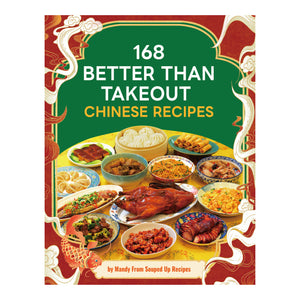
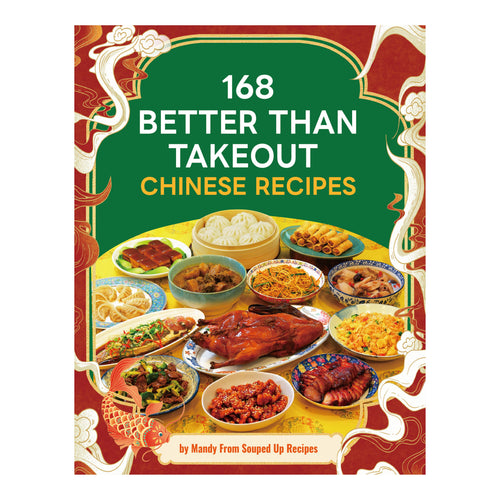
168 Better Than Takeout Chinese Recipes
168 tested recipes, each with a demo video and step-by-step photos.
Reader favorites