Squid Recipes: How to Prep and Cook Squid Chinese-Style
Squid is one of the quickest proteins in the kitchen, which is both its gift and its challenge. Cook it briefly over high heat and it can be tender, lightly springy, and beautifully suited to a garlic-and-ginger stir-fry. Cook it too long and it can tighten into a chewy texture. The answer is not a complicated trick. It is careful preparation, a hot pan, and a clear decision: cook squid very quickly, or cook it long and gently in a dish designed for that method.
Chinese-style squid dishes often highlight contrast. The squid may be paired with crunchy vegetables, aromatic ginger and scallion, a savory sauce, and a little chile or pepper. The finished dish should feel lively rather than heavy. This guide focuses on the practical choices around the recipe—buying, cleaning, scoring, cooking, serving, and storing—so you can approach squid with confidence.
The decision that prevents rubbery squid
| Your goal | Cooking path | What to do |
|---|---|---|
| A Chinese-style stir-fry | Fast, high heat | Prep everything first, cook the squid last, then serve promptly |
| A braise or stew specifically designed for squid | Long, gentle cooking | Follow that tested recipe’s timing and liquid level from start to finish |
Fast rule: the troublesome middle path is a moderate, drawn-out cook. For a wok dish, have vegetables, sauce, and serving plate ready before the squid hits the pan. For a slow dish, use a recipe designed for the long method rather than extending a stir-fry by guesswork.
Start with good squid
Fresh squid should smell clean and mild, not sharply fishy or sour. The flesh should look moist and glossy, not dry around the edges. If the squid is sold whole, clear eyes and intact skin can be signs of good handling, though frozen squid can be an excellent choice too. In many home kitchens, properly frozen squid is more convenient and more consistent than a piece that has been sitting in a seafood case for several days.
Choose the form that fits the dish. Cleaned tubes are efficient for stir-fries and salads. Whole squid, with tentacles, can be useful when the presentation matters. Rings are convenient, but they offer less control over scoring and visual texture. Small squid may cook almost instantly; larger tubes are easier to score into a crosshatch pattern and slice into attractive pieces.
If buying frozen squid, keep it cold on the trip home and thaw it safely in the refrigerator when possible. The FDA recommends refrigerating seafood promptly and using seafood within two days of purchase when it will not be frozen. Handle raw squid as you would any seafood: keep it separate from ready-to-eat foods, use clean boards and utensils, and wash hands after handling it.
Clean squid calmly and thoroughly
If squid has not already been cleaned, begin by separating the head and tentacles from the body tube with a gentle pull. Remove the internal contents and the clear, flexible quill from inside the tube. Peel away the thin outer skin if the recipe calls for a clean white appearance; leaving some skin is not unsafe, but it can affect the final look and texture.
Cut the tentacles just below the eyes, taking care to remove the hard beak in the center where the tentacles meet. Rinse only as needed to remove residual debris, then dry the squid thoroughly. Long soaking is not useful. The important thing is a clean surface and a dry exterior before it goes into a hot pan.
Place the cleaned tubes on a board with the inside facing up. This interior surface is smoother and easier to score. If you are new to squid prep, work with one tube at a time. A small amount of patience at the board saves a lot of stress at the stove, where the cooking happens quickly.
Why scoring matters
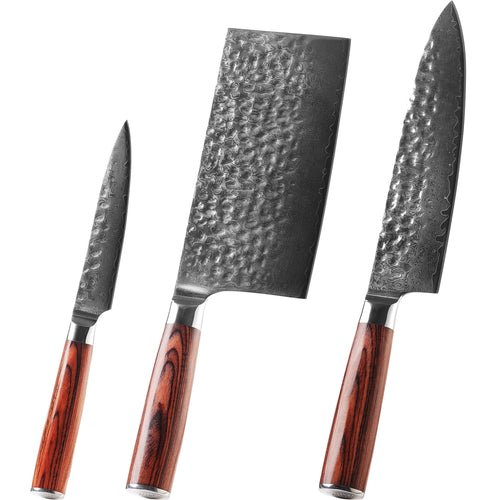
Scoring is not only decorative. Shallow crosshatch cuts encourage the squid to curl as it cooks, create more surface for sauce to cling to, and make each piece easier to bite. Use a sharp knife and cut only partway through the flesh. You do not want to slice all the way through the tube.
Make one set of diagonal lines, then turn the tube and make a second set in the opposite direction. The pattern does not need to be perfect. Even, shallow cuts are enough. Once scored, cut the tube into rectangles or diamonds sized for the recipe. When the squid hits high heat, the pieces will curl into a pleasing shape.
If you do not want to score squid, simple rings work well. What matters more than the pattern is the heat and timing. Still, scoring is a satisfying technique worth learning because it makes a home stir-fry look intentional without requiring complicated equipment.
The two timing paths: fast or slow
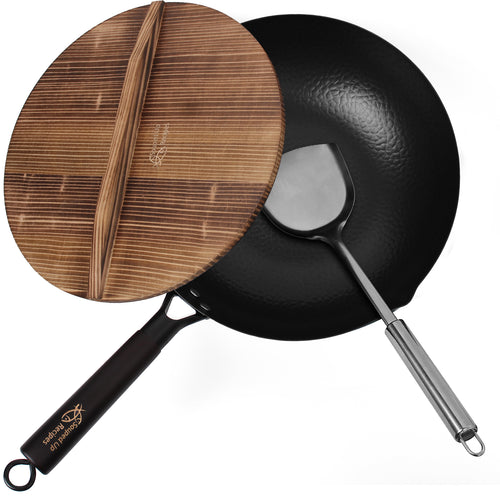
For most stir-fries, squid belongs in the fast path. Heat the wok or skillet until hot, cook aromatics and vegetables first, then add squid near the end. It may need only a brief period of high heat before it turns opaque and curls. Remove it or finish the sauce immediately. Do not leave it waiting in a warm pan while you decide what to do next.
The other path is a long, gentle cook in a dish designed to tenderize squid over time. This guide is not a recipe for that technique, but it is useful to know that the middle ground is the problem. A moderate, extended stir-fry is likely to make squid tough. Decide which method you are using before you begin and let the recipe set the time.
The visual cue is opacity. Raw squid is more translucent; cooked squid turns opaque white. NOAA’s seafood guidance notes this change in color as a useful sign. For food safety, the USDA lists 145°F / 62.8°C as the minimum temperature for fish and shellfish. In a quick stir-fry, a food thermometer may not be practical for small pieces, so use a tested recipe, active heat, and the opaque appearance as complementary checks.
Prepare everything before the wok is hot
Squid rewards mise en place. Slice garlic, ginger, scallion, peppers, onions, celery, or any other vegetables before you heat the pan. Mix the sauce in a small bowl. Have the serving plate ready. Once the squid is cooking, you should be seconds away from the finish, not opening bottles or searching for a spoon.
Choose vegetables that can stay crisp in a fast cook. Bell pepper, celery, snow peas, asparagus, onion, and baby corn are useful. Blanching a dense vegetable briefly before stir-frying can be helpful, but do not overload the pan with wet ingredients. Excess moisture lowers the temperature and makes the dish steam.
Cook vegetables in a sequence that respects their texture. Start with the ones that need a little more time. Add aromatic ingredients briefly so they do not burn. Then add the squid and sauce at the end. If your wok is small, cook in two batches rather than crowding it. This is one of the simplest ways to preserve the high-heat character of the dish.
Flavor pairings for Chinese-style squid
Squid has a mild flavor, so it works with bold aromatics without becoming hidden. Ginger and scallion are classic. Garlic and chile add energy. Black bean sauce, fermented black beans, oyster sauce, light soy sauce, sesame oil, and Shaoxing wine can all be useful depending on the recipe. Use seasoning with a light hand: squid is delicate and a heavy sauce can make the entire dish feel salty or muddy.
For a bright dish, add a small amount of rice vinegar or serve with a crisp pickle. For a richer sauce, pair squid with a plain starch such as steamed rice or rice noodles. Fresh herbs and a final scatter of scallion can bring lift. If you enjoy heat, chili crisp is better served on the side than cooked into every bite; it lets guests choose their own intensity.
Avoid treating squid as a blank canvas for every pantry ingredient at once. Choose one flavor direction and make it clear. Ginger-scallion squid tastes different from black-bean squid, and both deserve room to speak.
Serve squid while it is at its best
Squid is usually at its best immediately after cooking. Bring the plate to the table as soon as the sauce coats the pieces. Serve it with rice, a simple noodle dish, or a light vegetable. A second crunchy vegetable side can make the meal feel fresh and balanced.
If you are serving squid as part of a larger shared meal, keep the portion modest. It is a lively component rather than a dish that needs to dominate the table. A plate of squid, a plate of greens, rice, and a simple soup is a complete and elegant dinner.
Use tongs or a spoon rather than a deep bowl if you want the scored pieces to stay distinct. A shallow plate also keeps the sauce from pooling too deeply, which helps the vegetables retain their texture.
Store leftovers safely, but plan for the best texture now
Cooked squid can be refrigerated promptly, but its texture is better fresh. If you expect leftovers, keep a portion of the cooked vegetables and sauce separate from the squid when possible. Reheat gently only until hot; prolonged reheating will tighten it further.
The FDA advises storing seafood at 40°F / 4°C or below and using refrigerated seafood within two days of purchase if it will not be frozen. For cooked leftovers, use sound food-safety judgment, cool promptly, and reheat thoroughly. Do not leave a seafood dish at room temperature for a long table service.
Frozen raw squid is often a smarter make-ahead option than frozen cooked stir-fry. Keep a package in the freezer, then thaw safely and cook it fresh when you want the best result.
A useful recipe starting point
Try our Chinese-Style Squid Stir-Fry when you want to put these principles into practice. Prepare the squid and vegetables before heating the wok, use the recipe’s exact sauce, and serve promptly. From there, you can explore different vegetables and flavor profiles while keeping the same core rule: hot pan, short cook, clear timing.
Common questions
Why did my squid turn rubbery? It likely cooked too long in the middle range. For a stir-fry, use high heat and a short finish.
Do I have to score squid? No, but shallow scoring helps pieces curl and hold sauce. Rings are perfectly useful when you want a simpler preparation.
Can I use frozen squid? Yes. Frozen squid can be excellent. Thaw safely, dry it well, and cook it promptly.
What vegetables go well with squid? Crisp vegetables such as celery, peppers, snow peas, asparagus, and onion work well because they can cook quickly without becoming soft.
Further reading and reference notes
- NOAA Fisheries: Shortfin Squid seafood profile, including general culinary and nutrition context.
- U.S. Food and Drug Administration: Selecting and serving fresh and frozen seafood safely.
- USDA FSIS: safe minimum internal temperatures, which lists 145°F / 62.8°C for fish and shellfish.

168 Better Than Takeout Chinese Recipes
168 tested recipes, each with a demo video and step-by-step photos.
Reader favorites