Bamboo vs. Stainless Steel vs. Silicone Steamers for Chinese Cooking
Choosing a steamer is mostly about what you cook, how often you steam, and how much storage space you have. Bamboo, stainless steel, and silicone can all be useful. They do not produce the same cooking setup or the same maintenance routine, but none is automatically “best” in every kitchen.
For Chinese cooking, the decision often comes down to the food. A bamboo steamer is especially inviting for bao and dumplings because it can travel from pot to table. Stainless steel is a durable, low-maintenance choice for frequent cooking. A silicone insert can be a compact solution for vegetables or reheating. Start with the meal you want to make most often, then choose the tool that makes that meal easy to repeat.
Steamer comparison at a glance
| If you value… | Best first choice | Why |
|---|---|---|
| A traditional, table-ready setup for bao and dumplings | Bamboo | Stackable, light, and easy to serve from |
| Frequent use and simple cleanup | Stainless steel | Durable and familiar to maintain |
| Compact storage and small everyday jobs | Silicone insert | Flexible, light, and often easy to store |
| Several layers of dumplings or buns | Bamboo or a multi-tier metal steamer | Lets you cook in batches without crowding one level |
| Vegetables and reheating | Any of the three | The fit, lid, and water level matter more than material |
Quick answer: choose bamboo when dumplings and bao are the reason you are buying a steamer. Choose stainless steel when easy cleanup and regular use matter most. Choose silicone when storage is tight and your jobs are small. All three need the same basic discipline: steady steam, enough water, and room around the food.
The setup matters more than the material
A steamer works by holding food above simmering water. The water should not touch the basket or insert. The lid should trap enough steam to cook reliably, while the food should have enough space that steam can circulate around it. If the basket is packed tightly, food cooks unevenly and delicate skins are more likely to stick together.
Start with the pot or wok you already own. Measure its opening before buying a bamboo basket or metal insert. A steamer that fits securely is safer and more useful than a beautiful one that wobbles or leaves a large steam gap. Check the lid height as well: a tall bao or stacked dumpling needs headroom, not a lid pressed down on its top.
Use a steady simmer or the heat level the recipe specifies. A violent boil is not a sign of better steaming. It can drive water out too quickly, make the lid rattle, and create more condensation. Keep enough water in the pot for the full cooking time. If you are running several batches, have hot water ready so you can replenish without abruptly cooling the cooking vessel.
Bamboo steamers: best for the table and for stacked cooking
Bamboo steamers are lightweight, stackable, and especially pleasant for dumplings, bao, fish, and vegetables. They bring an inviting, dim-sum-style feel to the table, so the basket itself becomes part of serving rather than a piece of equipment to hide in the sink.
The basket should sit over simmering water with the water level below its base. Use a liner when the food needs it: perforated parchment, cabbage leaves, or reusable liners can prevent dumplings and buns from sticking. Leave room between pieces. Steam needs a path around the food, and buns or dumplings can expand slightly as they heat.
A 10-inch bamboo steamer basket set is a versatile size for a home meal. It is large enough for a practical batch without asking a cook to handle an unwieldy basket. It also helps keep serving simple: bring one basket out while the next one steams.
Care matters with bamboo. Let it cool, remove liners and food residue, clean it according to its product instructions, and let it dry thoroughly before storing. Do not seal a damp bamboo steamer in a cupboard. Lingering moisture and food particles are the real enemies of a clean, long-lived basket.
Stainless steel steamers: best for everyday durability
Stainless steel is a practical choice for cooks who steam often and want a familiar, low-maintenance tool. Metal inserts, stacked steamer pots, and steamer baskets can be sturdy, quick to set up, and straightforward to clean when used according to their care directions.
Choose a shape that fits the pot or wok you already use. A shallow insert may be ideal for vegetables but too cramped for tall buns. A tiered steamer can help with multiple foods, but make sure the lower and upper layers have enough steam access and that you can lift them safely.
Condensation deserves attention with any covered metal setup. Arrange delicate food with some space, use liners for items that can stick, and remove cooked food promptly rather than letting it sit in residual steam. The right liner and a dry serving surface often matter more than the basket’s material.
Stainless steel is an excellent choice if you want to steam vegetables, fish, and reheated food every week and do not care about serving directly from a bamboo basket. It is also good for cooks who want to avoid a drying routine beyond ordinary washing and drying.
Silicone steamers and inserts: best for compact convenience
Silicone inserts can be light, flexible, and useful for small steaming jobs. They are often a good fit for vegetables, simple reheating, and kitchens where a large basket would be difficult to store. The key is not to treat every silicone insert as interchangeable. Check its heat guidance, its fit over your pot, and whether it sits securely above the water.
Use a silicone insert for the tasks it handles comfortably. It may be perfect for broccoli, carrots, buns being gently reheated, or a small fish portion. It may be less useful than a larger bamboo basket when you want to steam many dumplings at once and carry them to the table as part of a shared meal.
Make sure the insert is stable before heating. A flexible tool should not buckle toward the water when filled. Leave space around food, avoid crowding, and use tongs or a heat-safe tool when lifting it. Manufacturer instructions are particularly important here because silicone products vary in construction and maximum heat guidance.
Choose the right steamer by what you cook most
Dumplings and bao
Choose bamboo if you want a classic, stackable, table-ready solution. Use liners, leave space, and serve promptly. A metal steamer can also work well, but a bamboo basket gives dumpling night a simple serving rhythm: one basket reaches the table while another cooks.
For a detailed setup around the food itself, see our Chinese Dumpling Tools Guide. The core principle is the same in any basket: do not crowd the dumplings and do not let the water boil dry.
Vegetables, fish, and simple reheating
Stainless steel or silicone may be the most convenient. Choose stainless if this is an everyday cooking habit and you want durability. Choose silicone if the job is small and storage matters. For both, have a plate ready before you lift the lid; cooked vegetables continue to soften in the steam if left sitting too long.
A larger family-style meal
Look for capacity and a secure fit. Several small baskets or a multi-tier option can be more useful than one extremely deep container. Separate foods that cook at very different speeds, and avoid opening the lid constantly. Every lift releases steam and extends the cook.
The basic steaming checklist
- Verify that the basket or insert fits securely over the pot or wok.
- Add enough water for the recipe, keeping it below the basket.
- Prepare liners and arrange food with space between pieces.
- Bring water to a steady simmer or the recipe’s intended steam level.
- Keep the lid closed unless checking at the recipe’s indicated point.
- Add hot water carefully between batches if needed.
- Remove food promptly to a dry serving plate or bring the bamboo basket to the table.
- Cool, clean, and fully dry the steamer before storing.
Common mistakes that have nothing to do with the material
The first is overfilling. Crowded food does not have room for steam to circulate and is more likely to stick or cook unevenly. The second is using too little water. A dry pot can damage cookware and become a safety problem. The third is leaving food in the basket after it is cooked. The lingering steam can make dumpling bottoms damp and vegetables overly soft.
The fourth is treating a liner as optional when the food clearly needs one. A good liner protects a delicate dough skin from sticking. It should allow steam through and should be sized so it does not block the path of the steam or sag into the water.
Put your steamer to work
Begin with Chicken Bao Buns when you want a hand-held meal, or try a dumpling session with Pan-Fried Soup Dumplings. The right steamer should make those dishes more approachable—not turn them into a special project that requires an overbuilt collection of equipment.
Common questions
Does bamboo steam better than stainless steel? Both can steam food well. Bamboo is often preferred for its table-ready, stackable format; stainless steel is often preferred for durability and everyday cleanup. The fit, water level, lid, liner, and spacing influence results more than a simple material ranking.
Do I need a liner? Use one for foods likely to stick, such as buns and dumplings. Follow the recipe’s guidance on liners and spacing.
Can I put a bamboo steamer in the dishwasher? Follow the product’s care instructions. Bamboo usually needs gentler cleaning and thorough air-drying.
Can I use a silicone insert for dumplings? It can work if it fits securely and provides enough room and steam circulation, but a bamboo or larger metal steamer may be more practical for a dumpling meal.
Further reading
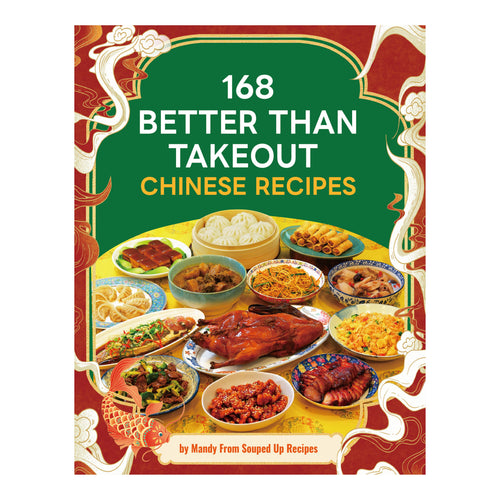
168 Better Than Takeout Chinese Recipes
168 tested recipes, each with a demo video and step-by-step photos.
Reader favorites