Bok Choy Recipes: Easy Chinese Dishes to Try
Bok choy is one of the most useful vegetables in a Chinese-cooking kitchen because it offers two textures in one ingredient: tender leaves and crisp, juicy stems. It can be the main event in a quick stir-fry, a supporting ingredient in noodle soup, or the green element that makes a rich braise feel balanced. It is also wonderfully adaptable. Baby bok choy cooks quickly and looks elegant whole or halved; larger bok choy offers substantial stems that stand up well to a hot wok and savory sauce.
The key to good bok choy is not a complicated recipe. It is choosing a fresh head, washing the layers carefully, and respecting the different cooking speeds of the stems and leaves. Once those habits are in place, the vegetable becomes easy to use across the week.
Choose your bok choy route
| When you want… | Best approach | The detail that matters |
|---|---|---|
| A fast vegetable side | Stir-fry stems first, then leaves with garlic and a light sauce | Keep the wok uncrowded so the bok choy sears instead of steams |
| A more substantial dish | Cook bok choy with mushrooms, tofu, or a protein | Give the other ingredient its own browning time before the bok choy goes in |
| A noodle or soup bowl | Add stems, then leaves, near the end | Preserve the green color and avoid holding the leaves in broth too long |
Start here: our Chinese Bok Choy with Mushroom Stir-Fry is the direct route for a savory side dish. For any other format, use the stem-and-leaf rule below: crisp stems go into the heat first; tender leaves follow only when the dish is nearly ready.
What bok choy is—and why the size matters
Bok choy, also called pak choi, is a leafy brassica with pale stems and dark green leaves. The exact look varies by variety and maturity. Baby bok choy is smaller, more compact, and usually milder. It is convenient when you want to keep the heads intact or simply halve them lengthwise. Mature bok choy has broader leaves and thicker stems, making it especially satisfying in a stir-fry.
Do not treat “baby” as automatically better. Choose the size that matches the dish. For a quick side dish or a clean presentation beside noodles, baby bok choy is excellent. For a wok full of mushrooms, tofu, or beef, larger bok choy provides more stem texture and a stronger vegetable presence. If you are cooking for several people, mature bok choy is usually faster to prep in bulk.
In Chinese cooking, the word for a vegetable may identify a family rather than one exact supermarket format. That flexibility is useful at home. If the store has Shanghai bok choy, baby bok choy, or a closely related leafy green, select the freshest option and adjust the cut to match its size. The aim is to cook the stems and leaves evenly, not to force every variety into the same shape.
How to choose fresh bok choy
Look for firm, pale stems and lively green leaves. The leaves should look crisp rather than limp, and the base should feel solid, not slick. A few tiny blemishes are not a reason to reject an otherwise fresh head, but avoid bunches with a strong odor, widespread yellowing, soft spots, or stems that are visibly slimy.
For baby bok choy, choose heads that are similar in size if you plan to cook them whole or halved. That small decision makes a noticeable difference: matching pieces cook at the same rate and look more deliberate on the plate. For mature bok choy, a broad range of sizes is less important because you will probably slice the stems and leaves into bite-size pieces anyway.
Buy enough for the meal you have in mind, but do not be afraid of leftovers. Bok choy can move from a mushroom stir-fry to noodle soup or fried rice with little planning. The USDA Agricultural Research Service notes that bok choy benefits from cold, humid storage conditions; in a home kitchen, the practical translation is simple: refrigerate it promptly, keep it from drying out, and use it while it still looks lively.
Washing bok choy without making it watery
The base of bok choy can trap grit between layers, especially when the heads are compact. Washing is not a cosmetic step—it is part of preparing the vegetable properly.
For baby bok choy, trim only the very end of the base if necessary, then cut the head in half lengthwise. Swish the halves through a bowl of cool water, separating the layers gently with your fingers. Lift the bok choy out rather than pouring the water over it; any sand falls to the bottom of the bowl. Repeat with clean water if you see grit.
For larger bok choy, separate the leaves and stems, then rinse each piece. Keep the pieces on a clean towel or in a salad spinner until you are ready to cook. The drier the surface, the more easily the vegetable will sear and the less likely it is to steam in the wok. You do not need to obsess over every drop, but you should avoid adding visibly wet bok choy to a crowded pan.
Wash just before cooking when practical. If you wash far in advance, dry thoroughly and refrigerate in a breathable container or bag lined with a towel. The goal is to protect crispness, not to leave the vegetable sitting in pooled water.
Store it for quality, then cook it promptly
Bok choy is best when it is fresh. Store unwashed heads in the refrigerator, ideally in a bag or container that limits moisture loss without trapping standing water. If leaves begin to look limp, they may still be useful in soup, but they will not give you the same clean crunch in a stir-fry.
The refrigerator is doing more than keeping the bok choy cold: it slows yellowing and moisture loss. The USDA’s bok choy handling guidance emphasizes prompt cooling and high humidity for quality. At home, that means avoiding a long trip in a hot car, putting groceries away soon after shopping, and not leaving the vegetable beside a warm appliance.
If you need to use bok choy later in the week, plan a cooked dish rather than a raw presentation. A soup, braise, or saucy noodle dish is more forgiving of leaves that have softened slightly. This is a useful kitchen habit in general: match the form of the vegetable to its condition instead of throwing it away because it is no longer ideal for a crisp stir-fry.
The stem-and-leaf rule for better stir-fries
The stems take longer to cook than the leaves. This is the one rule that solves most bok choy stir-fry problems.
Heat the wok or pan first, then add oil and aromatics if your recipe calls for them. Add the sliced stems before the leaves and let them take the first hit of heat. Once the stems start to become glossy and brighter, add the leaves. Finish with the sauce or seasoning only when the vegetable is nearly done. This gives you stems that remain lively and leaves that wilt without becoming gray or waterlogged.
For baby bok choy, place the cut side down first if you want a light sear. Add a small amount of liquid, cover briefly if the recipe calls for it, then uncover to let excess moisture evaporate. The exact timing depends on head size and heat, so use the visual cues: stems should be tender enough to bite cleanly, and leaves should remain green and supple.
Avoid a heavy sauce too early. Salt and sauces pull moisture from the leaves. A light coating at the end is often all you need, especially when bok choy is paired with mushrooms, tofu, or a rich main dish. If a recipe needs more sauce, cook it separately or make room in the pan so the vegetable does not simmer crowded in liquid.
Three useful bok choy cooking directions
1. Garlic and a light savory sauce
This is the simplest path and a good way to learn the vegetable. Garlic, a little oil, and a light savory sauce allow the bok choy to remain the point of the dish. Serve it beside rice, noodles, or a braise. Add mushrooms when you want a more substantial side dish.
2. Bok choy in soup or noodles
Add bok choy late in the cooking process. The stems can enter first; leaves can follow shortly after. The vegetable adds freshness to a rich broth and makes a quick bowl of noodles feel complete. Because it cooks so quickly, it is perfect for using at the end of a week when you need a vegetable that does not require a long simmer.
3. Bok choy with a protein
Mushrooms, tofu, beef, chicken, or shrimp can all work well. Cook the protein according to its needs, remove it if necessary, then cook the bok choy in the same pan. Return the protein only at the end. This preserves texture and prevents the vegetable from releasing water while the protein is trying to brown.
Pair bok choy with the right flavors
Bok choy is at home with garlic, ginger, scallion, mushrooms, sesame oil, light soy sauce, oyster sauce, black vinegar, and chili oil. The best pairing depends on what you are balancing.
With mushrooms, use a savory sauce and let the earthiness do the work. With beef, add black pepper or a deeper sauce. With tofu, use a little ginger, scallion, or fermented bean flavor to create contrast. With rich pork, keep the bok choy clean and bright—garlic and a little sauce may be enough.
If you are new to Chinese pantry ingredients, start small. One aromatic and one sauce is often more effective than adding everything at once. Taste before adding more salt; many bottled sauces are already concentrated. The goal is for the bok choy to taste more like itself, not less.
Make bok choy part of a practical weekly plan
Bok choy is not only a recipe ingredient; it is a solution for weeknight cooking. Buy it when you know you have noodles, rice, eggs, tofu, or a protein that needs a fresh counterpoint. Keep one prepared sauce or condiment on hand. Then dinner can be as simple as a bowl of rice, a quickly cooked main dish, and bok choy from the wok.
Use the whole vegetable. Thick stem pieces are valuable, not scraps. If a leaf tears, it will still cook beautifully in soup. If you have only a few pieces left, add them to fried rice or a noodle bowl. This flexible approach is one reason bok choy is so useful: it does not require you to build an entire meal around it.
For a direct, simple starting point, make our Bok Choy with Mushrooms. It is a useful model for applying the stem-and-leaf rule, working with mushrooms, and finishing a fast vegetable dish without overcomplicating it.
Common questions
Can I eat bok choy stems? Yes. The stems are one of the vegetable’s best features. They simply need a little more time than the leaves.
Should I cut baby bok choy? Halving it lengthwise is a reliable choice because it makes washing easier and exposes a cut side for searing. Very small heads can be cooked whole after thorough washing.
Why did my bok choy turn watery? The pan may have been crowded, the vegetable may have been wet, or sauce may have been added too early. Use higher heat, cook in batches if needed, and season near the end.
What can I substitute? Napa cabbage, gai lan, choy sum, or another crisp leafy green can work, but their cooking times and bitterness vary. Adjust the cut and timing rather than expecting an exact match.
Further reading and reference notes
- USDA Agricultural Research Service: Bok choy postharvest quality-maintenance guidance. It supports the practical advice to refrigerate promptly and protect the vegetable’s moisture.
- USDA Agricultural Research Service: commercial storage guidance for bok choy.
- This guide provides general kitchen information. Use the timing, quantities, and food-safety instructions in the specific recipe you choose.
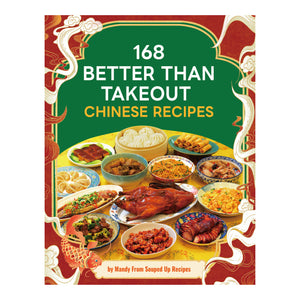
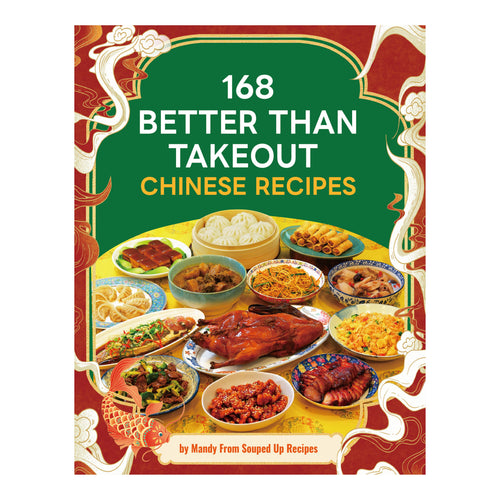
168 Better Than Takeout Chinese Recipes
168 tested recipes, each with a demo video and step-by-step photos.
Reader favorites